
In wood-based pulp production, the condition of the raw material before refining has a direct influence on fiber separation, pulp quality and energy consumption. Wood chips need to be properly conditioned before they enter the refining stage, particularly in thermomechanical pulping (TMP) and chemical-thermomechanical pulping (CTMP) processes.
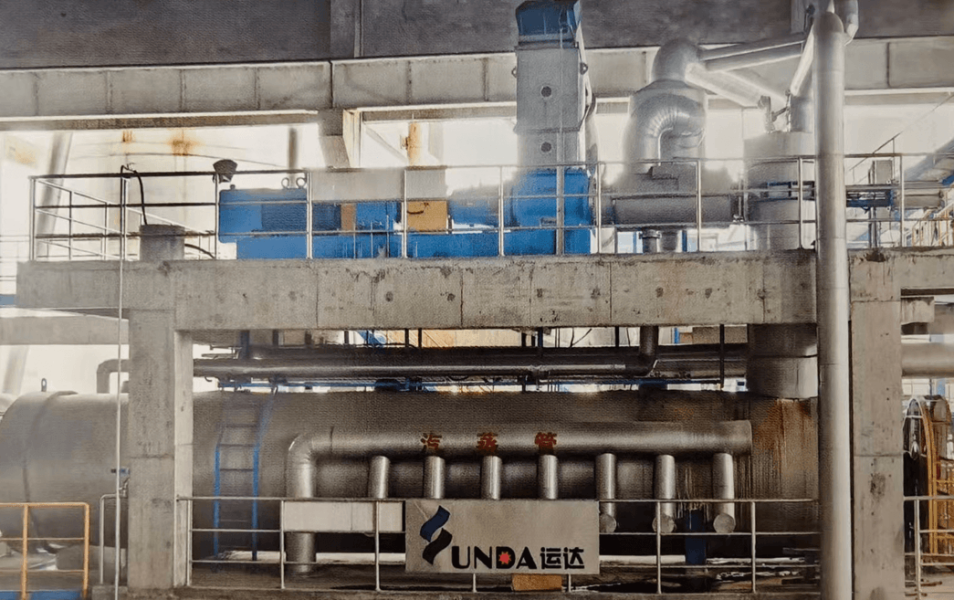
A high-temperature softening tube is designed to help prepare wood chips for the next stage of treatment. By using heat and steam to soften the material, the equipment creates more suitable conditions for fiber separation during refining. This helps reduce unnecessary fiber damage and can contribute to lower refining energy consumption.
Yunda's high-temperature softening tube is developed for wood chip pulping applications where controlled softening is an important part of the production process. With different models available for different processing capacities, it can be selected according to the requirements of the pulping line.
What Is a High-Temperature Softening Tube?
A high-temperature softening tube is a process unit used to soften wood chips before further mechanical treatment. It is particularly relevant to pulping processes in which wood chips are softened by heat and steam before entering a high-temperature fiberizing or refining stage.
During this process, the wood chips are exposed to high-temperature conditions that help soften the material and prepare it for subsequent fiber separation. Proper softening is important because wood chips that are not adequately conditioned may require more mechanical energy to separate their fibers.
The purpose is not simply to heat the raw material. The softening stage helps establish more suitable conditions for the mechanical action that follows.
In Yunda's i-CTMP pulping process, wood chips enter the high-temperature softening tube through a T-tube before proceeding to the high-temperature fiberizer. The operating conditions and screw speed are adjusted to provide sufficient softening time for the material.
This process arrangement makes the high-temperature softening tube an important part of the preparation stage in the overall pulping system.
Why Is Wood Chip Softening Important in Pulping?
Wood chips are a natural raw material with a complex structure. Their behavior during mechanical treatment depends on factors such as wood species, chip dimensions, moisture content, temperature and processing conditions.
If the chips are not properly softened before refining, more mechanical force may be required to separate the fibers. Excessive mechanical action can damage the fibers and may affect the quality of the resulting pulp.
A suitable wood chip softening process helps address these challenges in several ways.
1. Preparing Wood Chips for Fiber Separation
Heat and steam help soften the wood structure before the chips enter the fiberizing stage. This conditioning prepares the material for subsequent mechanical treatment and supports the fiber separation process.
For CTMP and related mechanical pulping applications, the softening stage must work in coordination with the equipment downstream. Consistent raw material preparation is important for maintaining stable operation throughout the production line.
2. Reducing Unnecessary Fiber Damage
The objective of refining is to separate fibers and develop the desired pulp properties, not to damage the fibers through excessive mechanical action.
Properly softened wood chips can be easier to process under suitable refining conditions. This may help reduce unnecessary fiber damage during fiber separation.
The actual result depends on the wood species, raw material condition, refining settings and target pulp properties. Softening conditions should therefore be matched to the requirements of the complete pulping process.
3. Supporting Lower Refining Energy Consumption
Refining is one of the important energy-consuming stages in mechanical pulping. The condition of the incoming material can influence how much energy is needed to achieve the required degree of fiber separation.
By preparing wood chips before refining, a high-temperature softening tube can help improve the conditions for mechanical treatment and reduce unnecessary refining energy consumption.
Energy savings should be evaluated under actual operating conditions. The achievable result depends on the entire process, including the raw material, softening time, refining equipment and operating parameters.
How Does a High-Temperature Softening Tube Work?
The working process begins when prepared wood chips enter the softening tube through the upstream feeding arrangement. Heat and steam are used to soften the chips before they move to the next processing stage.
In Yunda's i-CTMP process, the material passes through a T-tube into the high-temperature softening tube and then proceeds to the high-temperature fiberizer.
The screw speed is an important operating parameter because it influences how long the material remains in the softening section. Sufficient residence time allows the chips to receive the intended thermal treatment before further mechanical processing.
In practical operation, the softening tube should be considered part of a coordinated process rather than an isolated piece of equipment. Feeding conditions, steam supply, material characteristics and downstream equipment requirements all need to be taken into account.
The objective is to achieve suitable and consistent softening without creating unnecessary bottlenecks in the production line.
Yunda High-Temperature Softening Tube Models
Yunda offers three high-temperature softening tube models: RHG1500, RHG1800 and RHG2100. The models differ in tube diameter, stated processing capacity and motor power.
The following specifications are based on Yunda's product information.
| Parameter | RHG1500 | RHG1800 | RHG2100 |
|---|---|---|---|
| Tube diameter (mm) | 1500 | 1800 | 2100 |
| Processing capacity (t/d) | 150–300 | 300–600 | 450–900 |
| Motor power (kW) | 45 | 55 | 75 |
The listed processing capacities provide an initial reference for equipment selection. Actual production capacity depends on the raw material, process configuration and operating conditions.
RHG1500 High-Temperature Softening Tube
The RHG1500 has a tube diameter of 1,500 mm, a stated processing capacity of 150–300 tonnes per day and a motor power of 45 kW.
It is an option for pulping lines whose required processing capacity falls within this range. When evaluating this model, the equipment should be matched to the planned production rate and the operating requirements of the downstream fiberizing or refining section.
RHG1800 High-Temperature Softening Tube
The RHG1800 has a tube diameter of 1,800 mm, a stated processing capacity of 300–600 tonnes per day and a motor power of 55 kW.
For medium-capacity production lines, this model provides a larger nominal processing range than the RHG1500. The final selection should consider the expected feed rate, the properties of the wood chips and the configuration of the complete pulping system.
RHG2100 High-Temperature Softening Tube
The RHG2100 has a tube diameter of 2,100 mm, a stated processing capacity of 450–900 tonnes per day and a motor power of 75 kW.
It is designed for applications requiring a higher nominal processing capacity. Before selecting this model, the plant should confirm that the capacity of the upstream chip-handling equipment and the downstream processing units is compatible with the intended production rate.
How to Select the Right High-Temperature Softening Tube
Choosing a suitable high-temperature softening tube requires more than comparing the diameter or motor power of different models. The equipment must fit the actual production requirements and work effectively with the surrounding process units.
Several factors should be evaluated before making a decision.
Required production capacity
Start with the planned daily production capacity of the pulping line. The selected model should be suitable for the required throughput and the expected operating conditions, rather than being chosen solely on the basis of its maximum stated capacity.
Wood species and raw material characteristics
Different wood species can respond differently to thermal treatment. Chip size, moisture content and raw material consistency can also affect the softening process. These details should be provided when requesting an equipment recommendation.
Process configuration
The high-temperature softening tube should be evaluated together with the upstream feeding system and downstream fiberizing or refining equipment. A suitable configuration helps maintain a consistent material flow throughout the production line.
Softening time and operating conditions
Residence time and thermal conditions influence the effectiveness of softening. The appropriate settings depend on the raw material and the process requirements. Operating parameters should be established through process design and commissioning rather than assumed to be identical for every application.
Available installation space
The dimensions and layout of the existing production line should also be considered, especially when replacing an existing unit or upgrading a running plant. Connection points, feeding arrangements and maintenance access may affect the final equipment selection.
By considering these factors together, pulp producers can make a more informed decision and reduce the risk of selecting equipment that does not match the actual process.
Applications in CTMP and Mechanical Pulping
High-temperature wood chip softening is relevant to pulping processes in which thermal conditioning takes place before mechanical fiber separation.
In CTMP production, wood chips undergo thermal and mechanical treatment, with chemical treatment incorporated into the process as required by the selected process design. The high-temperature softening tube helps prepare the chips for the subsequent fiberizing stage.
Its role should be understood within the complete process. Pulp quality and production efficiency depend on the combined performance of raw material preparation, softening, fiberizing, chemical treatment where applicable, refining, screening and other downstream operations.
For this reason, selecting a high-temperature softening tube should involve an assessment of the complete pulping line rather than considering the tube as an independent solution.
Why Choose Yunda High-Temperature Softening Tube?
Yunda develops pulping and stock preparation equipment for the pulp and paper industry. Its high-temperature softening tube is designed for applications where wood chip conditioning is required before further mechanical treatment.
The RHG series provides three model options with different nominal processing capacities, allowing equipment selection to be based on the production requirements of the project.
For pulp producers planning a new CTMP line, expanding existing capacity or reviewing their current chip-softening process, Yunda can evaluate the application according to the raw material, target production capacity and overall process configuration.
Providing accurate process information at the inquiry stage helps establish a more suitable equipment proposal and supports coordination between the softening section and the rest of the production line.
Frequently Asked Questions
What is the function of a high-temperature softening tube?
Its main function is to soften wood chips using heat and steam before further mechanical treatment. This helps prepare the material for fiber separation and can reduce unnecessary fiber damage during refining.
Where is the high-temperature softening tube installed in a CTMP line?
In Yunda's i-CTMP process, wood chips pass through a T-tube into the high-temperature softening tube before entering the high-temperature fiberizer. The exact layout depends on the process design.
What is the processing capacity of the RHG series?
The RHG1500 has a stated capacity of 150–300 t/d, the RHG1800 has a stated capacity of 300–600 t/d, and the RHG2100 has a stated capacity of 450–900 t/d. Actual capacity depends on the application and operating conditions.
Can a high-temperature softening tube reduce refining energy consumption?
Proper wood chip softening can help create more favorable conditions for fiber separation and may reduce unnecessary refining energy consumption. The actual energy performance depends on raw material characteristics, operating conditions and the complete refining system.
How can I choose a suitable model?
Provide the required daily capacity, wood species, chip characteristics, existing process layout and downstream equipment information. These details help determine which model is appropriate for the intended application.
Contact Yunda for High-Temperature Softening Tube Solutions
Are you planning a new CTMP pulping line or looking to improve your existing wood chip preparation process?
Yunda can evaluate your production requirements and recommend a suitable high-temperature softening tube model based on the intended capacity, raw material and process configuration.
Contact Yunda to discuss your project requirements and obtain further technical information about the RHG1500, RHG1800 and RHG2100 high-temperature softening tubes.
Case
-
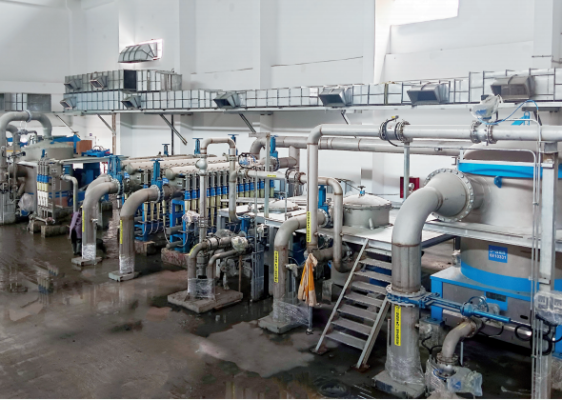 Yunda’s Complete Stock Preparation System for Jinlong’s 6600 mm Packaging Paper Project Enters Commissioning Stage
-
 Yunda Secures Orders for Premium Tissue Paper Projects at Two Yusen Group Production Bases
-
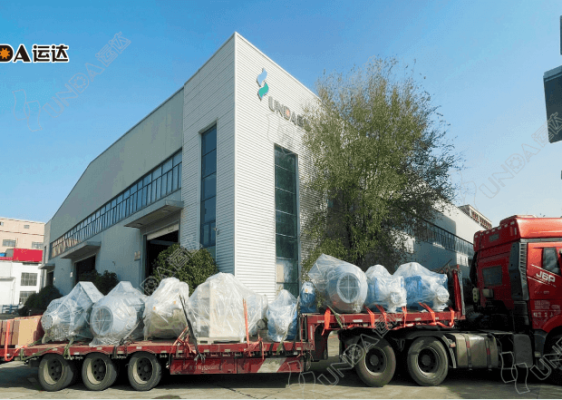 Yunda Successfully Ships the Complete Stock Preparation System for Hengan Group’s Tissue Paper Project
-
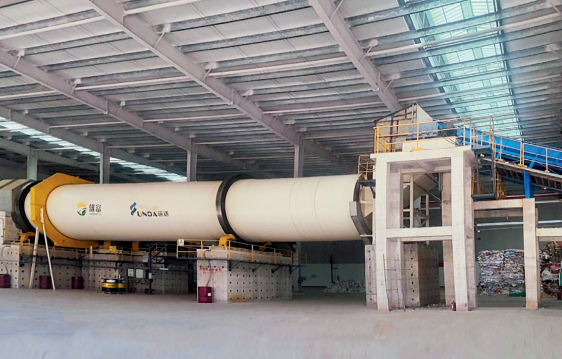 Yunda’s Complete Stock Preparation Systems for Guangxi Xiongfu Paper’s 300,000 t/a Grayboard Paper Project Successfully Start Up
-
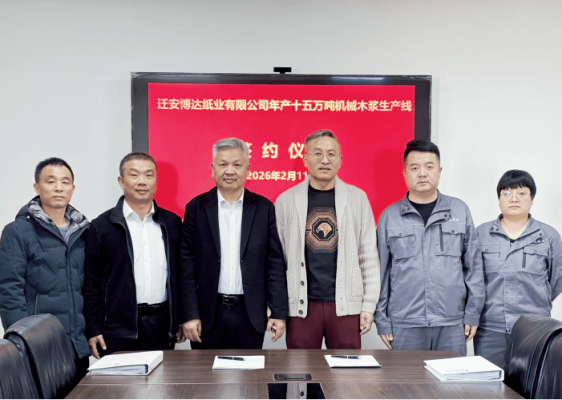 Yunda Wins the Full-Line Pulping Equipment Order for Qian’an Boda’s 150,000-Ton Bleached Chemi-Thermomechanical Pulp (BCTMP) Project
-
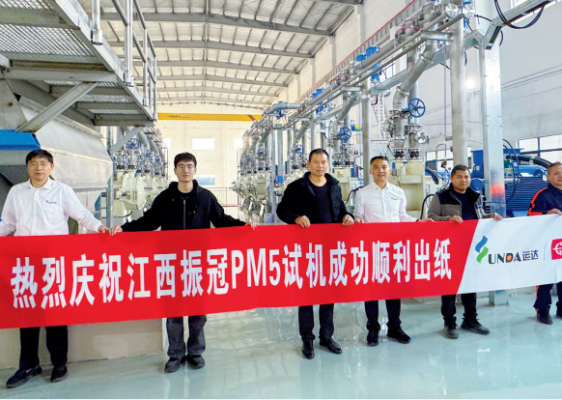 A Great Start! Yunda’s Complete Stock Preparation System Supports Successful First Paper Production on Jiangxi Zhenguan PM5
-
 Yunda Ships Key Stock Preparation Equipment for Egypt’s Sama Pack Packaging Paper Project
-
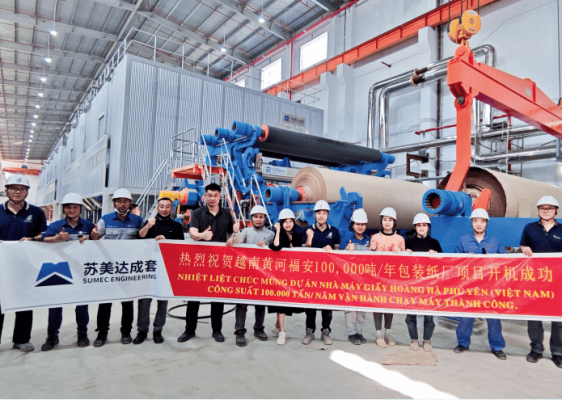 Yunda Successfully Commissions Complete Stock Preparation and Approach Flow Systems for Vietnam Huanghe’s 100,000-Ton Packaging Paper Project
-
 Yunda Successfully Starts Up Complete Stock Preparation and Approach Flow Systems for Jiangmen Renke Oasis 80,000 TPA Tissue Paper Project
-
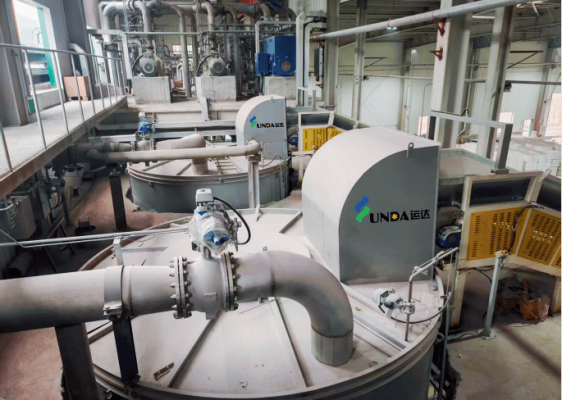 Successful Start-Up of Taisheng Group’s Tissue Paper Project in Guizhou