
Cleaning is a separation process which makes use of centrifugal forces created by a rotating flow of the pulp suspension. It can be found directly after pulping in the form of high density cleaning at consistencies of about 3 to 5 % and later in the process at consistencies in the range of 0.8 to 2 %. The machines used for these processes are called Cleaners of hydrocyclones.
Separation in a centrifugal field or centrifugal cleaning removes particles from the suspension that affect paper quality or cause excessive wear in subsequent processing machinery. These contaminants may include heavy weight (HW) particles such as sand, metal pieces, and shives or light weight (LW) particles including plastic foam or other plastic material. For their efficient removal, such particles must differ in density from water and in size and shape from other suspension components.
Separation uses hydrocyclones such as Figure 1 shows. The centrifugal field generated in these machines forces the heavy particles outward while the light ones move to the centre. The flow streams containing primarily heavy or light particles are separated from the main flow.
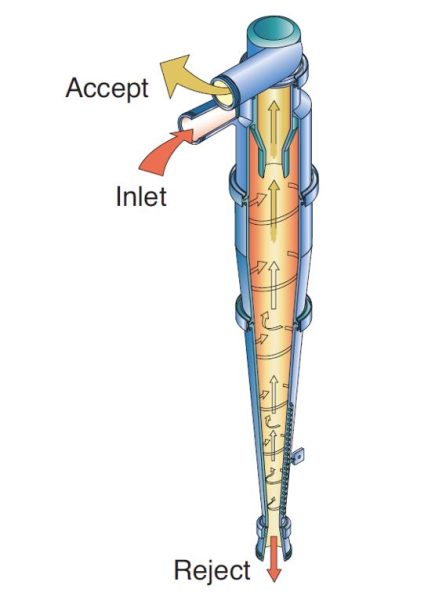
The following text discusses the main requirements and special aspects of hydrocyclones for recycled fibre pulp processing. Compared with virgin pulp processing, the quantity of particles for separating is normally much larger. Their type and composition also vary considerably.
Centrifugal cleaning can remove particles with very different characteristics provided they meet the necessary differentiation requirements for separation. For processing of recovered paper, these characteristics include the following:
- Density or specific gravity: Higher than water (metal, glass particles, and sand) or lower such as plastic foam to allow centrifugal separation (some particles such as certain stickies are unsuitable since their density is the same or almost the same as water).
- Size: Ranging from repulping screen perforation diameters of 8-20 mm to 5 mm or less, e.g., fillers (centrifugal cleaning can remove smaller particles than screening, i.e., as low as 10 µm).
- Deformability, e.g. of stickies: Allows them pass through screen openings (hydrocyclones can remove these particles if their density varies sufficiently from that of water and their size is sufficiently large).
Hydrocyclones can be designed very robust and wear resistant or with easily exchangeable wear parts for such applications. Smaller diameter cleaners are used for low consistency applications in order to generate higher centrifugal forces for separating fine sand and metal particles or fillers down to a size of about 10 µm before screening in order to protect the screen baskets from wear. Cleaners can be operated in such a way that LW particles such as plastics or styrofoam are separated and in the approach flow system cleaners are used for separating gas (deaeration) and for separating HW particles to protect the paper machine.
Hydrocyclones can only operate efficiently with a design and operation according to specific requirements. This is why various types of these machines find use in recycled fibre pulp processing. The inner wetted surfaces of hydrocyclones where the suspension flows at high velocity are subject to high wear rates due to abrasive components in the suspension. Adequate service life is still necessary. Knowing the degree of wear during operation is always helpful.
Case
-
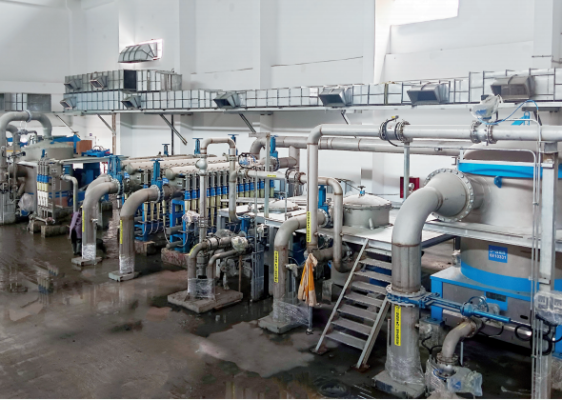 Yunda’s Complete Stock Preparation System for Jinlong’s 6600 mm Packaging Paper Project Enters Commissioning Stage
-
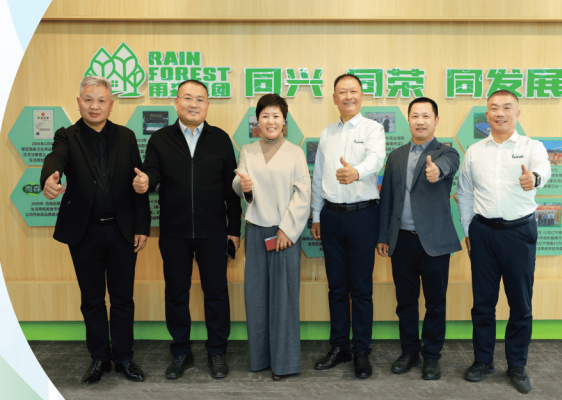 Yunda Secures Orders for Premium Tissue Paper Projects at Two Yusen Group Production Bases
-
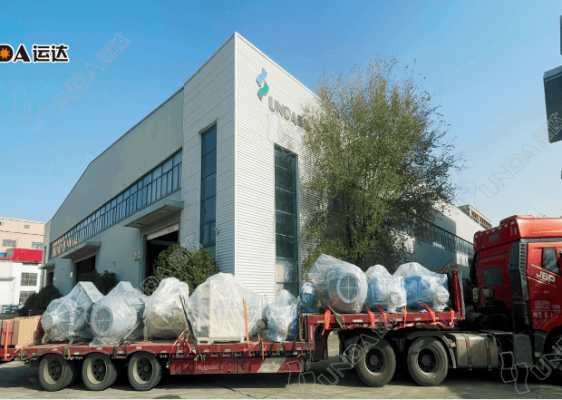 Yunda Successfully Ships the Complete Stock Preparation System for Hengan Group’s Tissue Paper Project
-
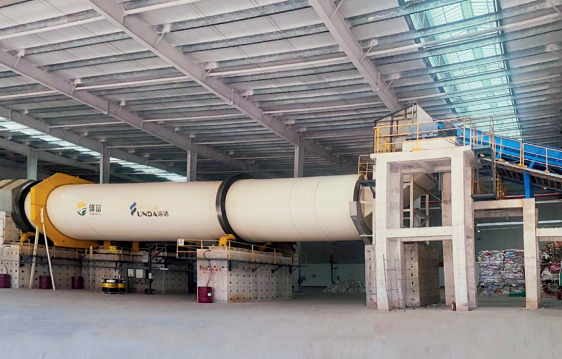 Yunda’s Complete Stock Preparation Systems for Guangxi Xiongfu Paper’s 300,000 t/a Grayboard Paper Project Successfully Start Up
-
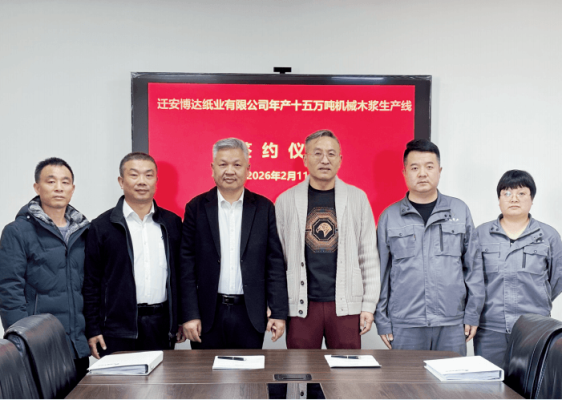 Yunda Wins the Full-Line Pulping Equipment Order for Qian’an Boda’s 150,000-Ton Bleached Chemi-Thermomechanical Pulp (BCTMP) Project
-
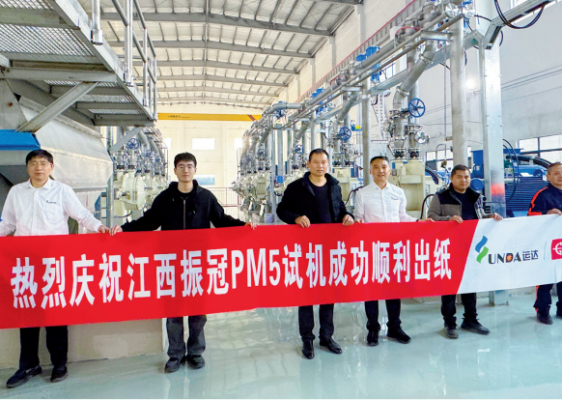 A Great Start! Yunda’s Complete Stock Preparation System Supports Successful First Paper Production on Jiangxi Zhenguan PM5
-
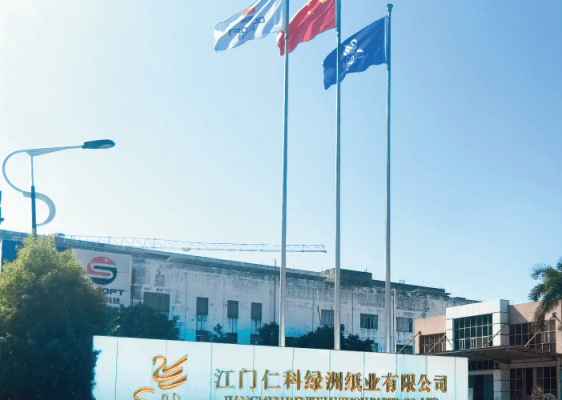 Yunda Successfully Starts Up Complete Stock Preparation and Approach Flow Systems for Jiangmen Renke Oasis 80,000 TPA Tissue Paper Project
-
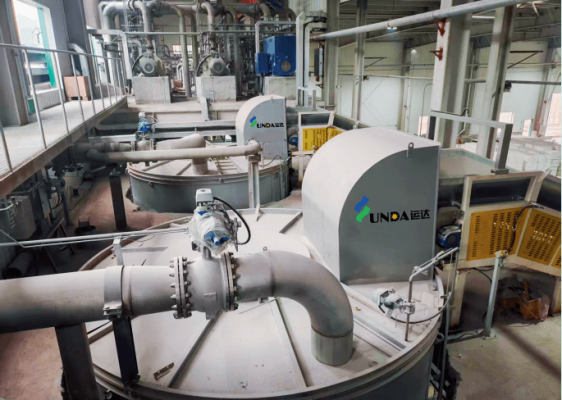 Successful Start-Up of Taisheng Group’s Tissue Paper Project in Guizhou
-
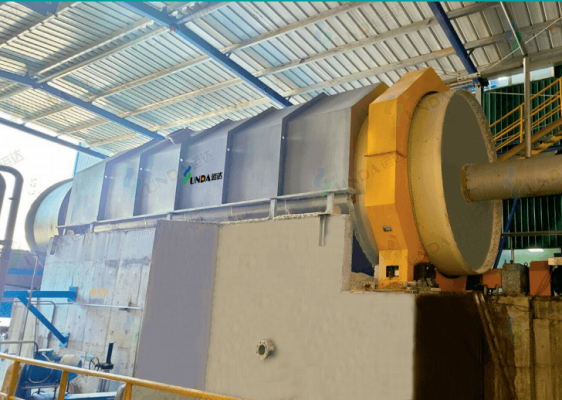 Taisheng Group’s Tissue Paper Project in Jiangxi Successfully Starts Production
-
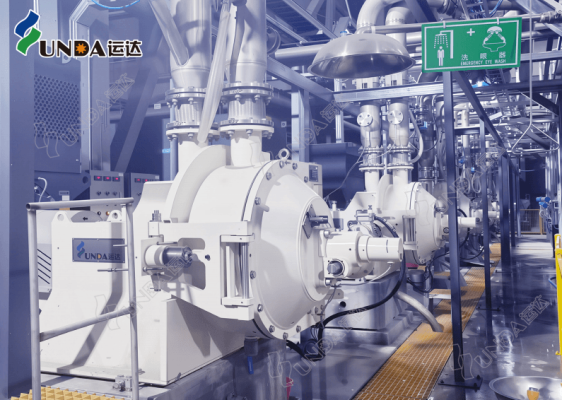 Sun Paper 300,000 TPA Tissue Project (Phase II) – Complete Pulping System Successfully Started Up