
In a modern pulp and paper mill, maintaining a stable pulp supply is essential for efficient production and consistent paper quality. Changes in pulp flow, fluctuations in stock consistency, and interruptions between processing stages can affect downstream equipment and the overall production process. A properly designed pulp balance chest helps manage these variations by providing temporary storage, balancing pulp flow, and supporting a more stable supply of stock to the next process.
A pulp balance chest is used in pulp preparation and stock handling systems where a buffer between upstream and downstream equipment is needed. Depending on the process configuration, it can help coordinate the operation of pulping, screening, cleaning, refining, and paper machine approach-flow systems.
For paper manufacturers planning a new production line or upgrading an existing stock preparation system, understanding the function, design considerations, and selection criteria of a pulp balance chest can help improve process reliability and operational efficiency.
1. What Is a Pulp Balance Chest?
A pulp balance chest is a vessel designed to temporarily hold pulp and help balance variations in pulp supply and demand within a stock preparation system. It provides a buffer between connected process stages, helping downstream equipment receive a more consistent supply of pulp.
In a typical papermaking process, pulp passes through several stages before reaching the paper machine. These may include pulping, coarse screening, fine screening, cleaning, refining, blending, and approach-flow preparation. Because different machines have different operating requirements and response times, the pulp flow from one stage may not always match the demand of the next.
A balance chest helps absorb these short-term variations.
For example, if the upstream pulping system delivers pulp intermittently while the downstream screening system requires a relatively continuous feed, a balance chest can temporarily store incoming pulp and release it as required by the process.
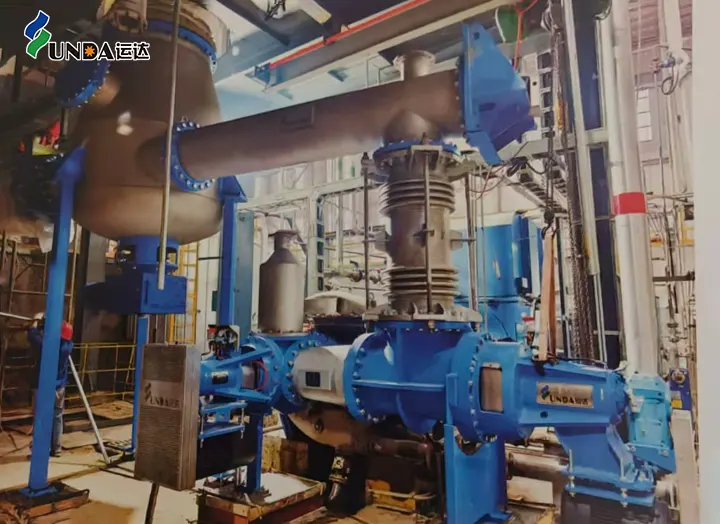
The term “balance chest” generally describes the vessel's process function rather than one universal equipment design. Depending on the mill layout, a pulp balance chest may be configured with suitable inlets, outlets, level monitoring, mixing equipment, and supporting piping.
2. Main Functions of a Pulp Balance Chest
The main purpose of a pulp balance chest is to improve the coordination of connected process equipment. Its specific functions depend on the pulp preparation process and the overall system design.
2.1 Balancing Pulp Flow
Pulp production and consumption do not always occur at exactly the same rate. A balance chest provides temporary storage that helps compensate for short-term differences between incoming and outgoing pulp flows.
This buffering function can reduce the effect of minor upstream fluctuations on downstream equipment and support more stable operation.
2.2 Providing Temporary Pulp Storage
A balance chest holds a certain quantity of pulp so that the production line has a buffer available when the upstream supply changes.
The available buffering time depends on the usable chest volume, operating pulp consistency, and actual flow rate. A larger nominal volume does not automatically guarantee better process performance; the vessel must be correctly sized for the required operating conditions.
2.3 Supporting Stable Downstream Operation
Screening equipment, cleaners, refiners, pumps, and other process units operate within defined operating ranges. Significant fluctuations in pulp supply can make it more difficult to maintain stable operating conditions.
By providing an appropriate buffer, a pulp balance chest can help the downstream system operate more consistently, provided that the chest, pumps, piping, and control system are properly designed.
2.4 Helping Maintain More Uniform Pulp Distribution
Depending on its internal arrangement and whether mixing or agitation is provided, a balance chest can help maintain a more uniform pulp suspension and reduce uneven discharge.
However, pulp uniformity depends on more than the vessel itself. Pulp consistency, fiber characteristics, chest geometry, mixing intensity, residence time, and outlet design must all be considered.
2.5 Supporting Process Coordination
A balance chest can help coordinate upstream and downstream equipment during production adjustments, startup, and certain short interruptions.
It does not eliminate the need for process control or emergency protection, but it can provide useful operating flexibility when integrated into a properly engineered stock preparation system.
3. How Does a Pulp Balance Chest Work?
The working principle of a pulp balance chest is relatively straightforward: incoming pulp enters the vessel, a certain volume is retained as a buffer, and pulp is discharged to the next process according to the system's requirements.
A typical operating sequence includes the following stages.
Step 1: Pulp enters the chest.
Pulp from an upstream process, such as pulping, screening, or refining, is delivered to the balance chest through the designated inlet.
Step 2: The chest provides a buffer.
The vessel holds pulp temporarily, helping accommodate short-term differences between the incoming flow and downstream consumption.
Step 3: Pulp is discharged to downstream equipment.
Pulp leaves through the outlet and is conveyed by a suitable pump or other designed discharge arrangement to the next process stage.
Step 4: The operating level is managed.
Where level monitoring and automatic controls are installed, the system can monitor the pulp level and adjust relevant equipment according to the control strategy.
Step 5: The process continues under coordinated operation.
When properly sized and integrated, the balance chest helps maintain the required pulp inventory and supports a more consistent material supply.
The exact configuration varies from mill to mill. Some systems require mixing or agitation, while others depend on different flow arrangements. The design should be based on the actual pulp characteristics and the requirements of the connected equipment.
4. Applications in Pulp and Paper Production
Pulp balance chests can be used in different parts of a pulp and paper mill, depending on the production process and equipment layout.
4.1 Stock Preparation Systems
Stock preparation involves processing pulp before it is supplied to the paper machine. Depending on the furnish and paper grade, the system may include pulpers, screens, cleaners, refiners, deflakers, and blending equipment.
A balance chest can be installed between selected process stages to provide temporary pulp storage and help coordinate equipment with different flow requirements.
For example, it may be used where pulp from an upstream processing unit needs to be buffered before entering a screening or refining stage.
4.2 Recycled Paper Pulping Lines
Recycled paper processing often involves pulping recovered paper followed by screening, cleaning, and other treatment processes.
The pulp flow can vary with recovered-paper feeding, pulper operation, and downstream equipment availability. A suitably designed balance chest can provide a buffer that helps manage these variations.
Its effectiveness depends on the chest volume, pulp consistency, fiber characteristics, and the operating schedule of the connected equipment.
4.3 Packaging Paper Production
Packaging paper mills may process recycled fiber, market pulp, or a combination of different furnish materials.
In these systems, a balance chest can support the coordination of stock preparation stages and help maintain a suitable pulp supply for downstream processing.
The required arrangement depends on the production capacity, paper grade, furnish composition, and whether the mill operates continuously or with intermittent upstream processes.
4.4 Tissue and Other Paper Grades
Tissue production and other paper grades have specific requirements for fiber quality, furnish consistency, and stock delivery.
A pulp balance chest may be used at an appropriate point in the stock preparation system to provide buffering and improve process coordination. It should not be confused with a machine chest or another vessel serving a different function in the approach-flow system.
The correct equipment arrangement depends on the individual mill's process design.
5. Pulp Balance Chest vs. Machine Chest: What Is the Difference?
Although the terms are sometimes used interchangeably in informal discussions, a pulp balance chest and a machine chest do not necessarily perform the same function.
A pulp balance chest is generally intended to buffer pulp flow or provide temporary storage between process stages. Its main purpose is to help balance variations in supply and demand.
A machine chest, by contrast, commonly serves as a storage and supply vessel for prepared stock feeding the paper machine's approach-flow system. Depending on the mill design, it may also support stock mixing and consistency management.
The distinction is important when selecting equipment for a new paper mill or modifying an existing production line.
Before purchasing a chest, the buyer should confirm its intended position in the process flow diagram, the required storage function, and the specifications of the upstream and downstream equipment.
6. Key Parameters for Selecting a Pulp Balance Chest
Choosing a suitable pulp balance chest requires more than comparing nominal volumes. The equipment should match the actual process requirements and operating conditions.
6.1 Working Volume
The vessel volume determines how much pulp can be held at a given time.
The required volume depends on the incoming and outgoing flow rates, the desired buffering time, the operating level range, and the process arrangement.
For a preliminary estimate, the required usable pulp volume can be calculated as:
Required buffer volume = Net flow difference × Required buffering time
For example, if the system needs to compensate for a net flow difference of 20 m³/h for 10 minutes, the theoretical buffer volume is approximately 3.33 m³.
This is only a preliminary calculation. Actual selection must also account for minimum and maximum operating levels, usable vessel volume, pulp consistency, control response, and other process constraints.
6.2 Production Capacity
The required capacity is closely related to the mill's daily production target, pulp consumption, and operating schedule.
A vessel designed for a small stock preparation line may not be suitable for a high-capacity paper mill. Conversely, an oversized vessel may increase capital cost and pulp residence time without providing a meaningful operational benefit.
Equipment selection should therefore be based on the actual process flow rather than daily paper production alone.
6.3 Pulp Consistency
Pulp consistency affects the behavior of the stock inside the vessel, including mixing, suspension stability, and discharge characteristics.
Low-consistency pulp and higher-consistency pulp may require different vessel configurations, mixing arrangements, and outlet designs.
The supplier should confirm the applicable consistency range before finalizing the design.
6.4 Operating and Design Conditions
The design pressure and design temperature must be verified against the intended process conditions and applicable engineering requirements.
For conventional pulp storage applications, the actual operating conditions may differ considerably from a vessel's rated design conditions. These values should never be interpreted as normal operating conditions without confirmation from the technical specification.
Material selection, corrosion resistance, structural strength, flange ratings, and applicable pressure-vessel requirements should also be evaluated where relevant.
6.5 Mixing and Discharge Arrangement
Depending on the application, the chest may require an agitator, mixing device, specially designed outlet, or appropriate pumping arrangement.
The objective is to provide reliable discharge and maintain suitable pulp conditions throughout the expected operating range.
The need for these components should be determined by the process design rather than assumed for every balance chest.
7. PHC180 and PHC190 Pulp Balance Chest Models
The product information provided lists two models: PHC180 and PHC190.
| Specification | PHC180 | PHC190 |
|---|---|---|
| Nominal volume | 5 m³ | 8 m³ |
| Design pressure | 1.0 MPa | 1.0 MPa |
| Design temperature | 190°C | 190°C |
| Listed capacity | 300–500 t/d | 600–1,200 t/d |
These specifications provide an initial reference for customers evaluating equipment options. However, the listed production capacity should be checked against the specific pulp preparation process, furnish, consistency, and operating conditions.
The design pressure and design temperature shown above should also be confirmed with the manufacturer before technical selection or procurement. They are presented as listed design specifications, not as verified normal operating conditions for pulp storage.
For a mill processing different pulp grades or operating with changing production rates, the most appropriate model should be selected after reviewing the process flow, required buffer time, and expected operating range.
8. Common Problems and Maintenance Considerations
Like other vessels in a pulp preparation system, a balance chest requires appropriate operation and maintenance.
Potential issues may include unstable pulp levels, uneven discharge, fiber accumulation, inconsistent pulp suspension, and problems with associated pumps or instruments.
A practical maintenance program should consider the following:
- Inspect the vessel and connections: Check the vessel, flanges, piping, and supports for visible damage, leakage, or abnormal conditions.
- Monitor pulp levels: Verify that level instruments and associated controls operate correctly where installed.
- Check discharge performance: Investigate unusual flow fluctuations, pump problems, or signs of blockage.
- Maintain mixing equipment: If an agitator or mixer is fitted, inspect its mechanical condition and operating performance according to the manufacturer's instructions.
- Review process conditions: Changes in furnish, pulp consistency, or production rate may affect the chest's performance and should be evaluated.
- Follow approved safety procedures: Any inspection involving entry, opening, or work on a pressure-rated vessel must follow the applicable isolation, depressurization, and safety requirements.
Regular monitoring helps identify operating problems early and supports reliable production.
9. Why Choose a Pulp Balance Chest from Yunda?
Selecting a pulp balance chest is not simply a matter of choosing a vessel with a suitable volume. The equipment must work effectively within the complete pulp preparation process.
Zhengzhou Yunda Paper Machinery Co., Ltd. provides equipment and engineering support for pulp preparation and stock preparation systems in the pulp and paper industry.
Established in 1981, Yunda has developed experience in pulp and paper equipment manufacturing and process engineering. Its business covers equipment supply and related technical services, including process design, installation and commissioning support, spare parts, and equipment upgrades.
For customers planning a new production line or improving an existing mill, coordination between individual machines and the overall process is an important consideration.
When evaluating a pulp balance chest, Yunda can discuss the intended application and relevant technical requirements to help identify a suitable equipment configuration.
Final selection should be based on confirmed technical specifications, process compatibility, and the operating conditions of the customer's production line.
10. What Information Is Needed for a Pulp Balance Chest Quotation?
To recommend an appropriate model and prepare a meaningful quotation, buyers should provide the following information where available:
- Daily production capacity: The target capacity of the paper mill or stock preparation system, in tonnes per day.
- Pulp type: Recycled pulp, market pulp, mechanical pulp, or another furnish.
- Pulp consistency: The expected operating consistency at the chest inlet and outlet.
- Process position: Where the balance chest will be installed in the production line.
- Required buffering time: How long the chest should compensate for differences in pulp supply and consumption.
- Operating conditions: Relevant temperature, pressure, flow rate, and material requirements.
- Existing process documentation: A process flow diagram, equipment layout, or technical drawing, if available.
These details help the supplier evaluate the application and reduce the risk of selecting equipment that does not match the actual production requirements.
Conclusion
A pulp balance chest is an important process component when temporary pulp storage and flow balancing are needed in a pulp and paper production line. By providing a suitable buffer between connected process stages, it can help improve process coordination and support stable downstream operation.
The right solution depends on the usable volume, production capacity, pulp consistency, required buffering time, operating conditions, and overall process configuration.
For paper manufacturers planning a new stock preparation system or upgrading existing equipment, reviewing these factors before procurement can help ensure that the selected pulp balance chest meets the actual requirements of the mill.
Contact Zhengzhou Yunda Paper Machinery Co., Ltd. to discuss your pulp preparation requirements, review the PHC180 and PHC190 models, and evaluate a suitable solution for your production line.
Case
-
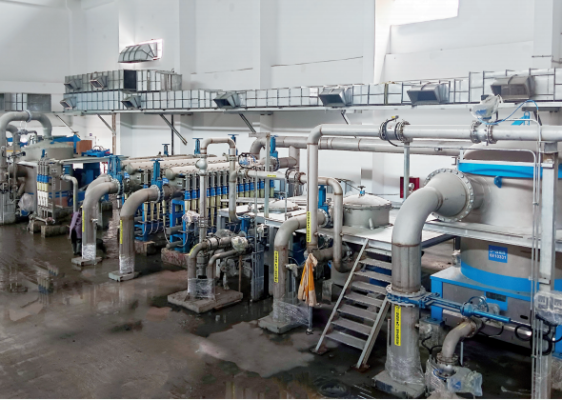 Yunda’s Complete Stock Preparation System for Jinlong’s 6600 mm Packaging Paper Project Enters Commissioning Stage
-
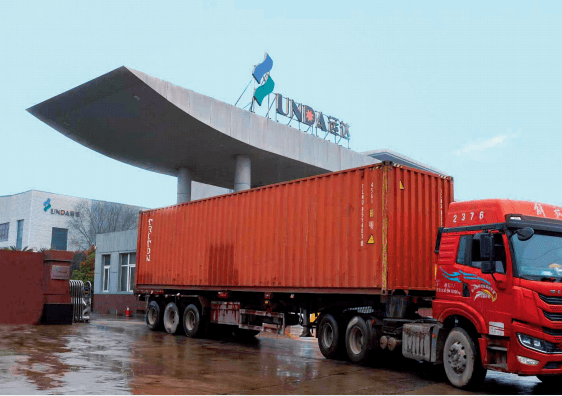 Key Pulping Equipment Supplied by Yunda for Uzbekistan International Paper’s Tissue Paper Upgrade Project Successfully Shipped
-
 Yunda Secures Orders for Premium Tissue Paper Projects at Two Yusen Group Production Bases
-
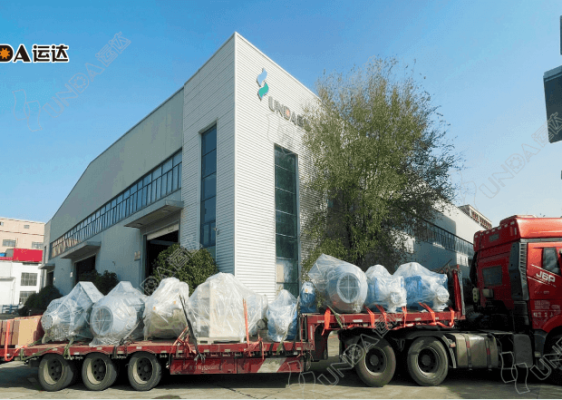 Yunda Successfully Ships the Complete Stock Preparation System for Hengan Group’s Tissue Paper Project
-
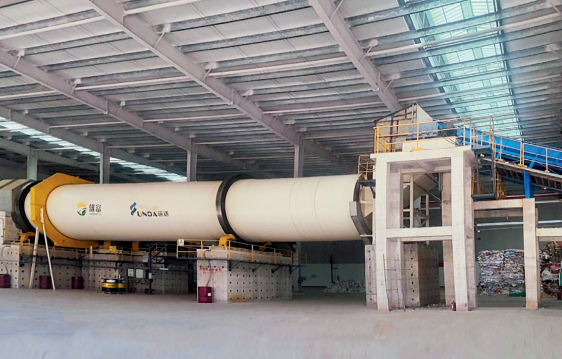 Yunda’s Complete Stock Preparation Systems for Guangxi Xiongfu Paper’s 300,000 t/a Grayboard Paper Project Successfully Start Up
-
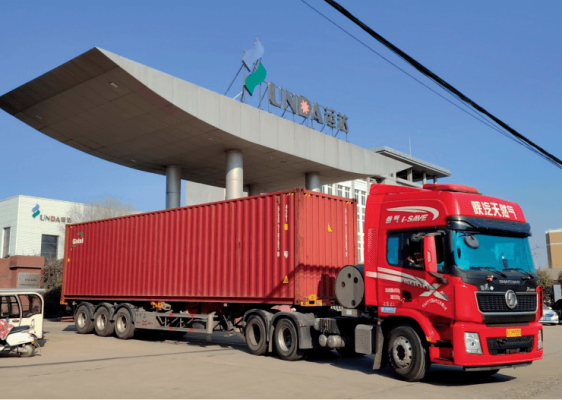 Yunda Successfully Ships Complete Stock Preparation and Broke Handling Systems for BAOBAB Paper’s Tissue Paper Project in Zimbabwe
-
 Yunda Wins the Full-Line Pulping Equipment Order for Qian’an Boda’s 150,000-Ton Bleached Chemi-Thermomechanical Pulp (BCTMP) Project
-
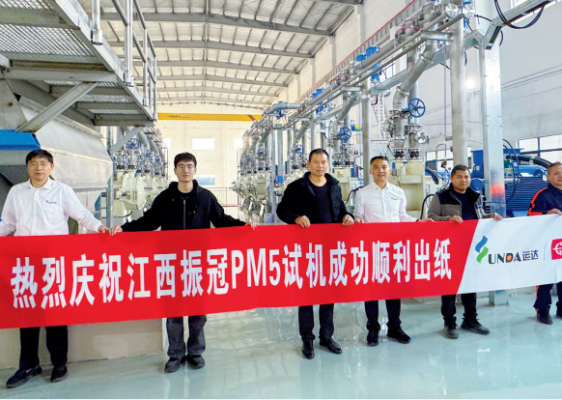 A Great Start! Yunda’s Complete Stock Preparation System Supports Successful First Paper Production on Jiangxi Zhenguan PM5
-
 Yunda Ships Key Stock Preparation Equipment for Egypt’s Sama Pack Packaging Paper Project
-
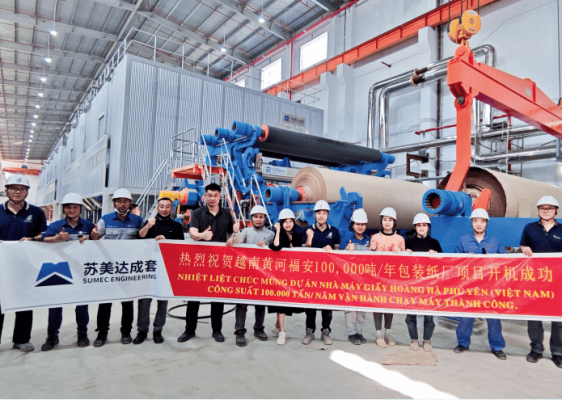 Yunda Successfully Commissions Complete Stock Preparation and Approach Flow Systems for Vietnam Huanghe’s 100,000-Ton Packaging Paper Project