
In modern pulp and fiber processing industries, the quality of raw material preparation has a direct influence on production efficiency, fiber characteristics, energy consumption, and the performance of downstream equipment. Whether processing wood chips, bamboo chips, grass, or straw, manufacturers need reliable equipment that can separate and refine fiber bundles efficiently while maintaining stable operating conditions.
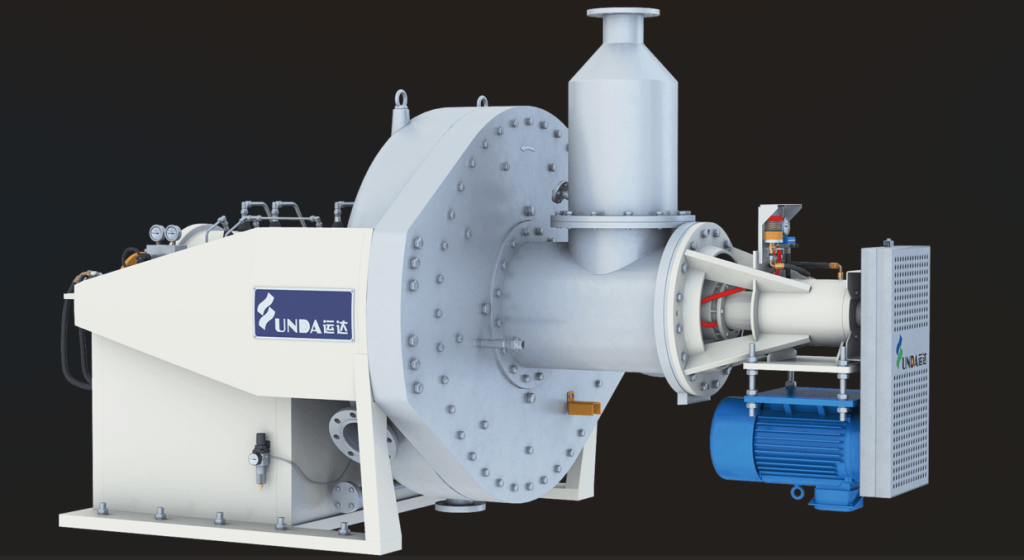
The YUNDA High Consistency Refiner, equipped with a side-feeding system and a belt-type screw exhaust arrangement, is designed to meet these requirements. It uses a high-speed rotating disc and a stationary disc to separate and disperse fibrous materials through controlled mechanical action. The machine is suitable for processing pretreated fibrous raw materials in industrial pulp production applications.
With modular grinding plate replacement, precise grinding gap control, a heavy-duty cast frame, and an advanced Siemens PLC control system, the YUNDA High Consistency Refiner provides a practical solution for continuous industrial operation.
This article introduces its working principle, major components, technical advantages, model specifications, and potential applications in modern pulp processing plants.
1. What Is a High Consistency Refiner?
A High Consistency Refiner is an industrial pulp processing machine designed to separate and refine fibrous materials under controlled mechanical and process conditions.
In pulp production, raw materials such as wood chips, bamboo chips, grass, and straw contain fiber bundles that need to be separated before they can be used in subsequent processing stages. Depending on the raw material and production requirements, pretreatment may be required before the material enters the refiner.
The YUNDA High Consistency Refiner uses a side-feeding screw to transport the pretreated material into the grinding chamber. Inside the chamber, the material passes between a high-speed rotating disc and a stationary disc.
Mechanical interaction between the discs helps loosen and separate the fiber bundles. The processed material is then discharged toward a cyclone separator, where the fibrous material and steam are handled through the downstream process.
An integrated belt-type screw exhaust arrangement also helps manage part of the steam generated inside the grinding chamber. This steam is separated through the exhaust pipe and returned to the softening tube for reuse.
This arrangement supports continuous material processing and helps integrate the refiner into a larger industrial pulp production system.
2. Working Principle of the YUNDA High Consistency Refiner
Understanding the working principle is important when selecting refining equipment for an industrial production line.
The YUNDA High Consistency Refiner combines controlled feeding, mechanical fiber separation, centrifugal discharge, and steam management into one integrated process.
2.1 Side-Screw Feeding
The process begins with pretreated raw materials being introduced into the side-feeding system.
A side-feeding screw transports the material into the grinding chamber in a controlled manner. Compared with an irregular feeding arrangement, this configuration provides a more organized material supply to the working area.
Stable feeding is particularly important when processing different types of fibrous raw materials, including wood chips, bamboo chips, grass, and straw.
The feeding arrangement also helps maintain continuous operation and supports coordination with upstream pretreatment equipment.
2.2 Mechanical Fiber Separation Between Two Discs
The grinding chamber is the core working section of the refiner.
Inside the chamber, a high-speed rotating disc operates against a stationary disc. As the material enters the space between them, mechanical forces act on the fiber bundles, helping separate and loosen the fibers.
The grinding gap is an important operating parameter because it influences the mechanical interaction between the discs.
YUNDA adopts a grinding gap control precision of ±0.01 mm. This high level of precision provides a reliable basis for controlling the working clearance and maintaining consistent equipment operation.
The actual processing results depend on raw material characteristics, pretreatment conditions, operating parameters, and the configuration of the production line.
2.3 Centrifugal Discharge and Material Separation
After mechanical refining, the processed fibers are discharged from the grinding chamber under centrifugal force.
The material is then directed toward the cyclone separator for subsequent material and steam handling.
This arrangement helps connect the refiner with downstream processing equipment and supports continuous operation in an industrial production environment.
2.4 Steam Exhaust and Recycling
During high-temperature processing, steam is generated inside the grinding chamber.
Part of this steam is separated through the belt-type screw exhaust pipe located before the grinding chamber and returned to the softening tube for reuse.
The integrated steam-handling arrangement helps utilize part of the process steam within the system rather than treating all generated steam as waste.
This design is particularly relevant to production lines where raw material softening and refining need to operate in coordination.
3. Key Technical Advantages of the YUNDA High Consistency Refiner
When selecting industrial refining equipment, buyers should consider not only production capacity but also maintenance requirements, mechanical stability, operating precision, and automation.
The YUNDA High Consistency Refiner incorporates several design features intended to address these requirements.
3.1 Modular Grinding Plate Design for Easier Maintenance
Grinding plate replacement is an important maintenance task for a refiner.
Traditional maintenance arrangements may require the removal of multiple connected pipes and other components before the grinding plates can be accessed. This can increase maintenance time and complicate replacement work.
YUNDA adopts a modular grinding plate replacement structure.
During replacement, operators do not need to dismantle the connected piping system. Only the upper section of the grinding chamber needs to be removed, after which the grinding plates can be replaced using dedicated tools.
Under the specified maintenance procedure, grinding plate replacement can generally be completed within approximately 2–3 hours.
This design helps reduce maintenance complexity and makes scheduled maintenance more convenient for production facilities.
3.2 High-Precision Grinding Gap Control
The grinding gap directly affects the mechanical interaction between the rotating and stationary discs.
YUNDA's grinding gap control precision reaches ±0.01 mm.
Accurate gap control provides a more consistent working clearance and helps operators maintain stable mechanical processing conditions.
For industrial pulp production, this is an important design consideration because variations in the refining conditions may influence fiber separation and downstream processing performance.
3.3 Heavy-Duty Cast Machine Frame
Industrial refiners must withstand substantial mechanical loads and continuous operating conditions.
The YUNDA machine uses a high-strength cast frame designed to provide structural rigidity and operational stability.
A robust machine frame helps support the grinding chamber and its associated components during high-speed operation.
This heavy-duty construction is particularly important for large-capacity industrial models, where mechanical stability is a key consideration in long-term equipment operation.
3.4 Siemens S7-1500 PLC Control System
The machine is equipped with a Siemens S7-1500 series PLC control system.
This industrial automation platform supports independent equipment control and communication with other systems.
The PLC-based control arrangement helps operators manage machine operation more efficiently and provides a foundation for integrating the refiner into an automated pulp production line.
It also supports communication functions required for remote monitoring and online diagnostics.
3.5 Remote Monitoring and Online Diagnostics
For industrial production facilities, equipment monitoring and troubleshooting are essential for maintaining production continuity.
The YUNDA High Consistency Refiner supports remote monitoring and online diagnostic functions.
These capabilities allow authorized technical personnel to assist with equipment condition checks and troubleshooting remotely, depending on the plant's communication configuration and network availability.
Remote technical support can help identify potential operating issues more efficiently and reduce the need for unnecessary on-site inspections.
4. Technical Specifications and Available Models
YUNDA offers five model configurations to accommodate different production capacity requirements.
The available models range from GPM244 to GPM268, with grinding plate diameters from 44 inches to 68 inches.
The following table summarizes the main technical specifications provided for this equipment series.
| Parameter | GPM244 | GPM250 | GPM256 | GPM262 | GPM268 |
|---|---|---|---|---|---|
| Grinding plate diameter (inch) | 44 | 50 | 56 | 62 | 68 |
| Material consistency (%) | 25–35 | 25–35 | 25–35 | 25–35 | 25–35 |
| Capacity (t/day) | 110–160 | 180–230 | 260–320 | 350–450 | 470–700 |
| Grinding chamber design pressure (bar) | 8 | 8 | 8 | 8 | 8 |
| Main shaft speed (rpm) | 1500/1800 | 1500/1800 | 1500/1800 | 1500/1800 | 1500/1800 |
| Main motor power (kW) | 1800–3550 | 2500–4500 | 4000–7100 | 5600–9000 | 10000–15000 |
Note: The figures above are reference specifications from the supplied equipment documentation. Actual production capacity and motor configuration should be confirmed according to the selected model, raw material characteristics, process conditions, and project requirements.
How to Select the Right High Consistency Refiner Model
Model selection should be based on more than the required daily output.
Several factors need to be considered:
- Production capacity: The expected daily production volume is the starting point for selecting a suitable model.
- Raw material characteristics: Wood chips, bamboo chips, grass, and straw may have different fiber structures and processing requirements.
- Material consistency: The specified consistency range is 25–35%, and the actual operating conditions should be evaluated against the production process.
- Motor configuration: Installed power should be selected according to the required processing conditions and equipment configuration.
- Production line integration: The feeding system, softening equipment, steam arrangement, and downstream equipment should be considered together.
For example, the GPM244 has a reference capacity of 110–160 tons per day, while the larger GPM268 model is designed for a reference capacity of 470–700 tons per day.
For plants with higher production requirements, the larger models provide additional processing capacity. However, the final selection should always be based on a complete process evaluation rather than capacity figures alone.
5. Applications of High Consistency Refiners
The YUNDA High Consistency Refiner is designed for fibrous raw materials that require mechanical separation and processing.
Its potential applications include the following areas.
5.1 Wood Chip Processing
Wood chips are widely used as raw materials in pulp and paper production.
Before entering subsequent refining or pulping stages, wood chips may undergo pretreatment to prepare the material for fiber separation.
The High Consistency Refiner helps break down fiber bundles and prepares the processed material for downstream operations.
5.2 Bamboo Fiber Processing
Bamboo is an important non-wood fiber resource used in various pulp and paper manufacturing processes.
Due to its different fiber characteristics compared with conventional wood raw materials, bamboo processing requires suitable equipment configurations and operating conditions.
The YUNDA High Consistency Refiner can be applied to pretreated bamboo chips, subject to project-specific process evaluation.
5.3 Grass and Straw Processing
Agricultural residues such as grass and straw are also used as alternative fibrous raw materials.
These materials can have different physical characteristics, moisture contents, and fiber structures.
Mechanical refining helps separate the fiber bundles and prepares the material for further processing.
The appropriate machine configuration should be determined according to the specific agricultural residue and production process.
5.4 Integrated Pulp Production Lines
The High Consistency Refiner is not necessarily an isolated piece of equipment.
In a complete industrial production line, it can work together with upstream feeding and softening systems, as well as downstream separation and refining equipment.
The integration of feeding, refining, steam handling, and process control is important for maintaining stable production conditions.
For engineering companies and pulp manufacturers planning a new production line or upgrading an existing facility, equipment selection should therefore consider the entire process flow.
6. Why Grinding Plate Design and Maintenance Matter
Grinding plates are among the most important working components in a High Consistency Refiner.
Their condition, working clearance, and mechanical characteristics influence the machine's processing performance.
Over time, continuous mechanical operation can cause grinding plate wear. If replacement requires extensive dismantling, maintenance work may take longer and interfere with production schedules.
The modular design of the YUNDA machine addresses this practical issue by simplifying access to the grinding chamber.
The ability to replace grinding plates without dismantling connected pipelines offers several operational benefits:
- Easier access to the working components.
- Reduced complexity during scheduled maintenance.
- More convenient replacement procedures.
- Less interference with connected piping systems.
- Improved maintenance planning for continuous production facilities.
For large industrial plants, maintenance accessibility should be considered during the initial equipment selection stage, not only after the machine has been installed.
A machine that is easier to maintain can help production teams organize servicing more efficiently throughout its operating life.
7. Automation and Digital Support for Industrial Operation
Automation is becoming increasingly important in modern pulp and paper manufacturing.
As production facilities move toward more integrated process control, individual machines need to communicate effectively with other equipment and control systems.
The Siemens S7-1500 PLC used in the YUNDA High Consistency Refiner provides a foundation for independent control and industrial communication.
Combined with remote monitoring and online diagnostics, the control system supports more convenient equipment management.
For plant operators, these functions can contribute to:
- More organized equipment operation.
- Better coordination with connected production equipment.
- More efficient technical troubleshooting.
- Remote assistance from qualified technical personnel.
- Improved visibility of equipment operating conditions.
The actual automation scope and communication interface can be evaluated according to the requirements of each project.
8. What Should Buyers Consider Before Purchasing a High Consistency Refiner?
Purchasing industrial refining equipment involves more than comparing model numbers and motor power.
To identify a suitable solution, buyers should prepare the following information before requesting a technical proposal.
1. Raw material type
Specify whether the production line will process wood chips, bamboo chips, grass, straw, or a combination of different materials.
2. Required production capacity
Provide the target daily production volume in tons per day. This helps determine the appropriate equipment model and overall production configuration.
3. Raw material pretreatment conditions
Information about material size, moisture content, and pretreatment conditions is useful for evaluating the feeding and refining process.
4. Required material consistency
The supplied equipment specifications indicate a material consistency range of 25–35%. The actual process requirements should be confirmed during technical evaluation.
5. Existing production line configuration
For equipment replacement or production line upgrades, buyers should provide information about the existing feeding, softening, steam, and downstream processing systems.
6. Automation requirements
Clarify whether the machine needs independent control, communication with a central control system, remote monitoring, or online diagnostic support.
Providing this information allows the equipment supplier to evaluate the project more accurately and recommend a suitable configuration.
9. YUNDA: High Consistency Refining Equipment for Modern Pulp Production
Choosing a High Consistency Refiner is an important decision for any pulp manufacturing project.
The right equipment needs to balance processing capacity, mechanical stability, operating precision, maintenance accessibility, and integration with the overall production line.
The YUNDA High Consistency Refiner combines a side-feeding screw, rotating and stationary grinding discs, a centrifugal discharge arrangement, and a belt-type screw steam exhaust system.
Its modular grinding plate structure, ±0.01 mm grinding gap control precision, heavy-duty cast frame, and Siemens S7-1500 PLC control system are designed to address practical requirements in industrial fiber processing.
With five available models covering reference capacities from 110 to 700 tons per day, the series provides different configuration options for pulp production facilities with varying capacity requirements.
For manufacturers processing wood chips, bamboo, grass, and other fibrous raw materials, selecting the right refining equipment requires a careful assessment of raw material properties, production targets, and process conditions.
YUNDA can evaluate these requirements and provide equipment recommendations based on the specific needs of each project.
10. Frequently Asked Questions (FAQ)
Q1: What is a High Consistency Refiner used for?
A High Consistency Refiner is used to process fibrous materials and separate fiber bundles through mechanical refining. It is applied in pulp production processes involving materials such as pretreated wood chips, bamboo chips, grass, and straw.
Q2: What raw materials can the YUNDA High Consistency Refiner process?
The machine is designed for pretreated fibrous materials, including wood chips, bamboo chips, grass, and straw. The final configuration should be evaluated according to the specific raw material characteristics.
Q3: What is the processing capacity of the YUNDA High Consistency Refiner?
The available GPM models have reference capacities ranging from 110 to 700 tons per day. GPM244 is rated at 110–160 tons per day, while GPM268 is rated at 470–700 tons per day.
Q4: What is the material consistency range?
The supplied technical specifications indicate a material consistency range of 25–35%.
Q5: What is the grinding gap control precision?
The grinding gap control precision is ±0.01 mm, supporting accurate control of the working clearance between the grinding components.
Q6: How long does grinding plate replacement take?
With the modular replacement design and dedicated tools, grinding plate replacement can generally be completed within approximately 2–3 hours under the specified maintenance procedure.
Q7: Which PLC system is used?
The machine uses a Siemens S7-1500 series PLC, supporting independent control and industrial communication.
Q8: Does the High Consistency Refiner support remote monitoring?
Yes. The equipment supports remote monitoring and online diagnostics, subject to the applicable communication and network configuration.
Q9: How do I choose the right High Consistency Refiner model?
Model selection depends on required production capacity, raw material type, material consistency, pretreatment conditions, motor configuration, and production line integration requirements. Providing these details to the manufacturer will help determine a suitable model.
Contact YUNDA for a High Consistency Refiner Solution
Are you planning a new pulp production line or upgrading existing fiber processing equipment?
Contact YUNDA with your raw material information, target production capacity, and process requirements. Our team can help evaluate the appropriate GPM model and discuss a suitable equipment configuration for your project.
YUNDA – Industrial Equipment Solutions for Modern Pulp Production.
Case
-
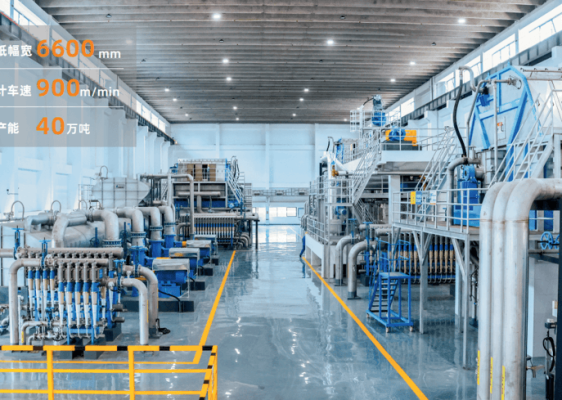 Yunda Provides Comprehensive One-Stop Services to Ensure the Successful First-Time Start-Up of Jinlong Group’s 6,600 mm Paper Machine Project for Premium Packaging Paper
-
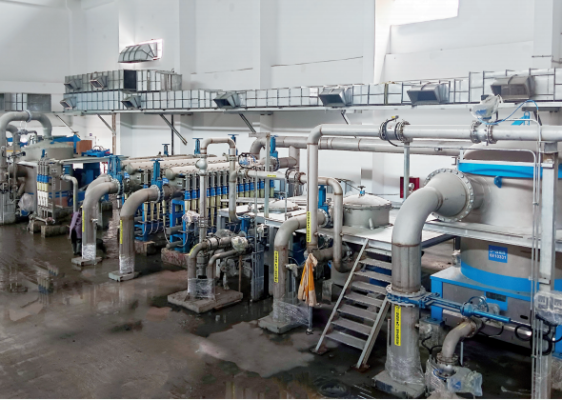 Yunda’s Complete Stock Preparation System for Jinlong’s 6600 mm Packaging Paper Project Enters Commissioning Stage
-
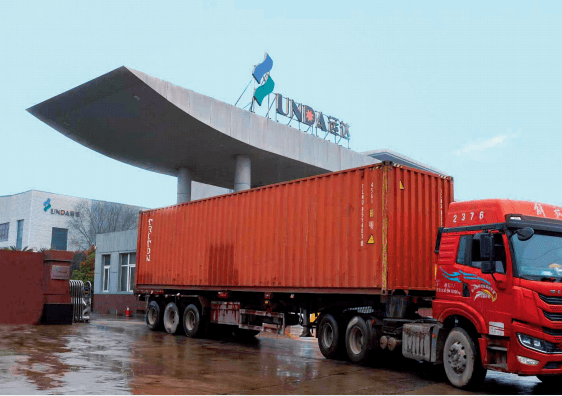 Key Pulping Equipment Supplied by Yunda for Uzbekistan International Paper’s Tissue Paper Upgrade Project Successfully Shipped
-
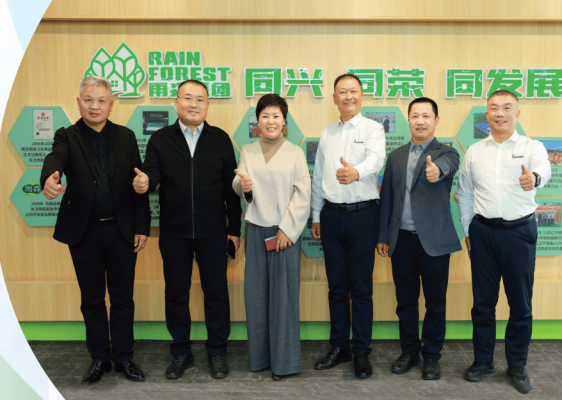 Yunda Secures Orders for Premium Tissue Paper Projects at Two Yusen Group Production Bases
-
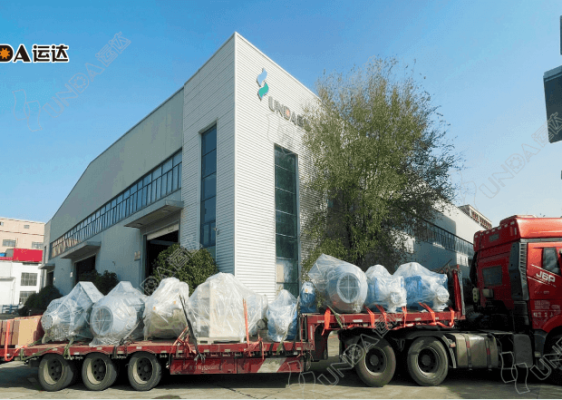 Yunda Successfully Ships the Complete Stock Preparation System for Hengan Group’s Tissue Paper Project
-
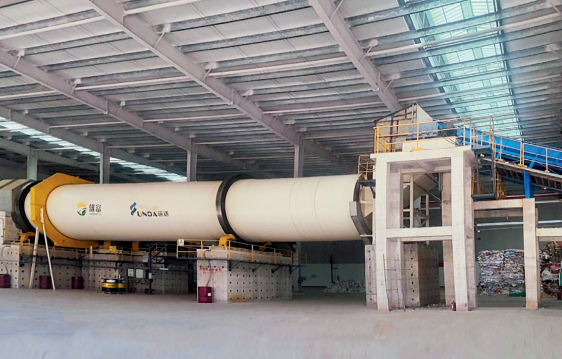 Yunda’s Complete Stock Preparation Systems for Guangxi Xiongfu Paper’s 300,000 t/a Grayboard Paper Project Successfully Start Up
-
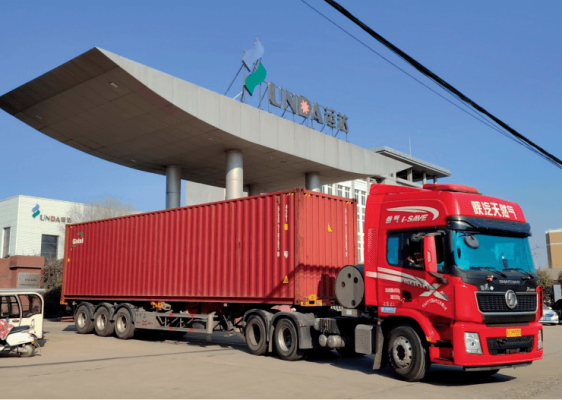 Yunda Successfully Ships Complete Stock Preparation and Broke Handling Systems for BAOBAB Paper’s Tissue Paper Project in Zimbabwe
-
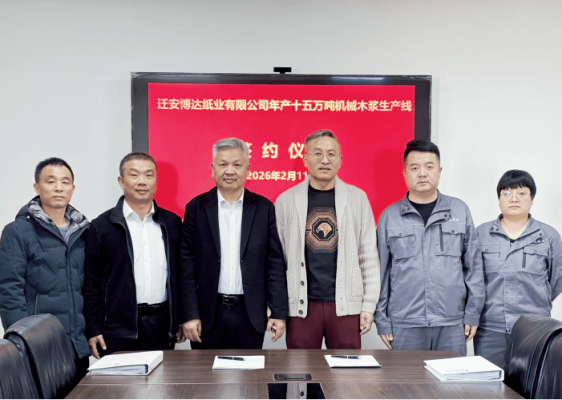 Yunda Wins the Full-Line Pulping Equipment Order for Qian’an Boda’s 150,000-Ton Bleached Chemi-Thermomechanical Pulp (BCTMP) Project
-
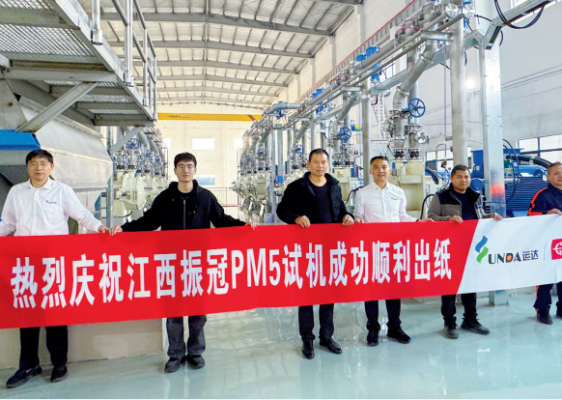 A Great Start! Yunda’s Complete Stock Preparation System Supports Successful First Paper Production on Jiangxi Zhenguan PM5
-
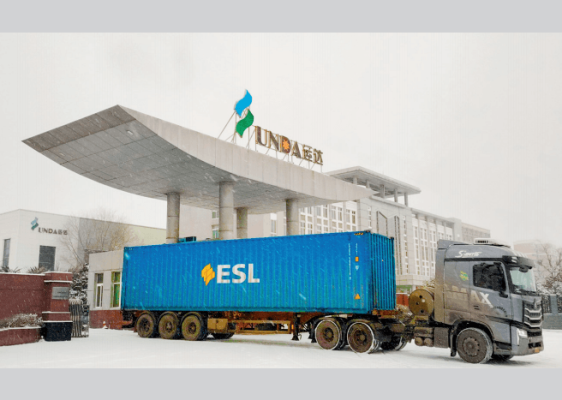 Yunda Ships Key Stock Preparation Equipment for Egypt’s Sama Pack Packaging Paper Project