
In modern paper manufacturing, most mills focus on machine speed, pulp consistency, white water recovery, and energy consumption. However, one issue is often underestimated — foam.
Especially in waste paper pulping, white water circulation, flotation deinking, and high-speed paper machines, excessive foam can seriously affect production stability, paper quality, and chemical efficiency.
As the paper industry continues moving toward high-speed, continuous, and energy-efficient production, more and more paper mills are paying closer attention to foam control systems. Mechanical defoamers are now becoming an important part of many paper production lines.
Why Does Foam Easily Form in the Paper Industry?
Paper manufacturing itself is a highly circulated and highly agitated process where large amounts of air are introduced into the system.
Foam is commonly generated in the following processes:
- Waste paper pulping
- Flotation deinking
- White water recovery systems
- Washing and screening
- Stock circulation systems
- Coating sections
- High-speed paper machine operations
As modern paper mills increase white water reuse rates, systems become more closed-loop, making foam problems even more significant.
In addition, many chemical additives used during papermaking can further increase foaming tendencies, including:
- Surfactants
- Dispersants
- Sizing agents
- Wet strength agents
- Deinking chemicals
How Does Foam Affect Paper Mills?
Many people think foam is simply a layer of bubbles floating on liquid surfaces. In reality, foam can affect the entire production system.
1. Affecting Paper Quality
When foam enters the pulp system, entrained air can cause:
- Pinholes
- Spots
- Holes
- Poor sheet formation
These issues are especially noticeable in cultural paper, duplex board, and tissue paper production.
2. Reducing Equipment Stability
Excessive foam may negatively affect:
- Pumping stability
- Vacuum dewatering efficiency
- Liquid level control
- White water circulation efficiency
In severe cases, foam can even cause headbox fluctuations and impact paper machine operation.
3. Increasing Production Costs
Too much foam reduces the effectiveness of chemical additives, resulting in:
- Lower retention efficiency
- Reduced sizing performance
- Increased chemical consumption
Ultimately, this raises the overall production cost per ton of paper.
Mechanical Defoamers Are Becoming the Preferred Choice for More Paper Mills
Although chemical defoamers are widely used, many paper mills still experience problems such as:
- Repeated foam generation
- High chemical consumption
- Unstable white water systems
- Increased operating costs
As a result, more mills are adopting mechanical defoamers to physically eliminate foam.
Compared with relying solely on chemical defoamers, mechanical defoamers offer several advantages:
- Stable continuous operation
- No secondary pollution
- High defoaming efficiency
- Reduced chemical dependence
- Lower operating costs
Introduction to Yunda Paper Machinery Mechanical Defoamers
As an important supplier in the paper machinery industry, Yunda Paper Machinery Co., Ltd. provides mechanical defoamers designed for foam elimination and foam control in paper production processes.
The main function of the equipment is:
To eliminate foam and restore it to liquid form, helping customers solve foam-related production problems.
The equipment is suitable for:
- Pulping systems
- White water circulation systems
- Flotation deinking systems
- Waste paper recycling lines
- High-speed paper machine systems
and many other industrial applications.
Working Principle of Mechanical Defoamers
Yunda mechanical defoamers use centrifugal force and high-speed shear force to physically remove foam.
Working principle:
The mechanical defoamer utilizes a high-speed rotating turbine to generate strong centrifugal force, rapidly breaking foam generated during production and separating gas from liquid.
The intense shear force tears apart the foam structure, while the released liquid is immediately thrown toward the inner wall by centrifugal force and returned back into the liquid system, reducing liquid loss and improving system stability.
Compared with some traditional chemical defoaming methods, mechanical defoaming is more suitable for continuous and large-flow paper production environments.
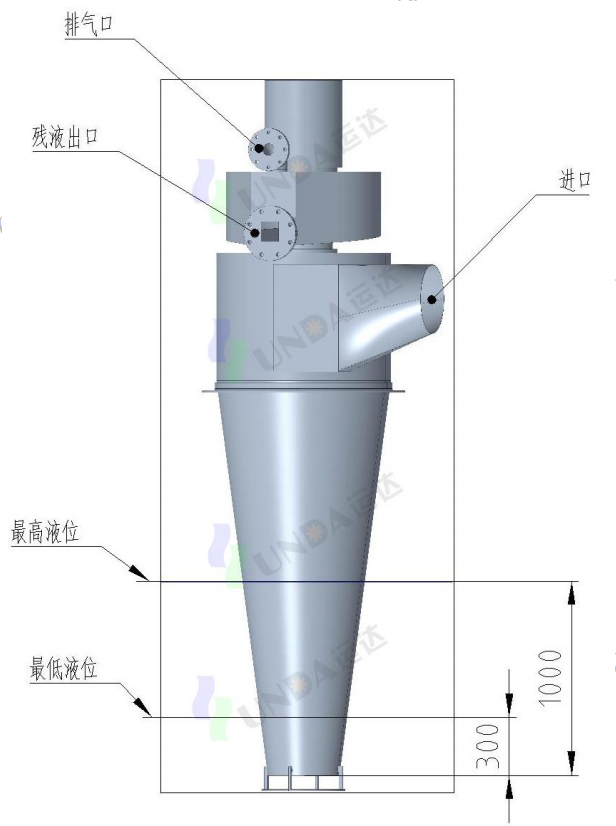
Technical Specifications of Yunda Mechanical Defoamers
Yunda offers multiple mechanical defoamer models for different operating conditions.
| Model | Motor Power (kW) | Speed (r/min) | Voltage (V) | Operating Temperature (℃) | Working Mode |
|---|---|---|---|---|---|
| ZHFRD-7.5-G | 7.5 | 2800-3000 | 380 | 85 | Continuous |
| ZHFRD-11-G | 11 | 2800-3000 | 380 | 85 | Continuous |
| ZHFRD-15-G | 15 | 2800-3000 | 380 | 85 | Continuous |
| ZHFRD-22-G | 22 | 2800-3000 | 380 | 85 | Continuous |
Equipment materials can be customized according to customer requirements.
The above specifications are standard reference data. Other customized models and special configurations can be designed based on actual operating conditions.
Why Are More Paper Mills Paying Attention to Mechanical Defoaming?
As paper machine speeds continue increasing and white water systems become more closed-loop, relying only on chemical defoamers is often no longer sufficient.
The advantages of mechanical defoaming systems are becoming increasingly clear.
Improved Production Stability
Continuous and stable foam control helps reduce system fluctuations.
Reduced Chemical Consumption
Lower usage of chemical defoamers helps reduce operating costs.
Reduced Fiber and Liquid Loss
Liquids and fibers trapped in foam can be recovered and returned to the system.
Better for Continuous Production
Continuous operation is more suitable for modern high-speed paper machine systems.
How to Choose the Right Defoaming Equipment for a Paper Mill?
Different paper grades and pulp systems require different defoaming solutions.
When selecting defoaming equipment, factors such as the following should be considered:
- Pulp type
- Foam generation volume
- White water circulation capacity
- System temperature
- Paper machine speed
- Installation space
- Continuous operation requirements
As a result, more paper mills now prefer customized solutions based on actual operating conditions rather than standard fixed configurations.
Conclusion
In modern papermaking, foam control is no longer just a secondary issue. It directly affects:
- Paper quality
- Equipment stability
- Energy consumption
- Chemical costs
- Overall production efficiency
As the industry continues moving toward higher speed, automation, and stricter environmental requirements, mechanical defoaming equipment will play an increasingly important role in paper manufacturing.
The mechanical defoamers provided by Yunda Paper Machinery Co., Ltd. can help paper mills effectively solve foam problems, improve system stability, and support continuous, high-efficiency production.
Case
-
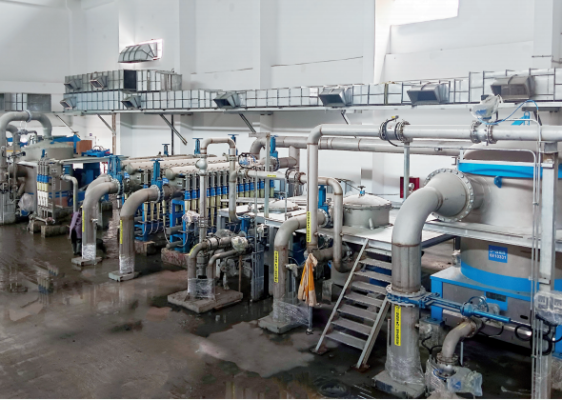 Yunda’s Complete Stock Preparation System for Jinlong’s 6600 mm Packaging Paper Project Enters Commissioning Stage
-
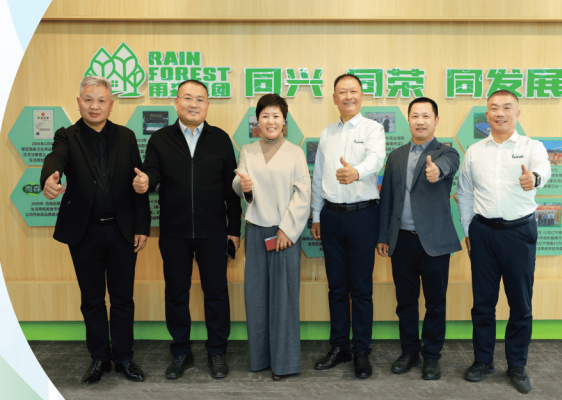 Yunda Secures Orders for Premium Tissue Paper Projects at Two Yusen Group Production Bases
-
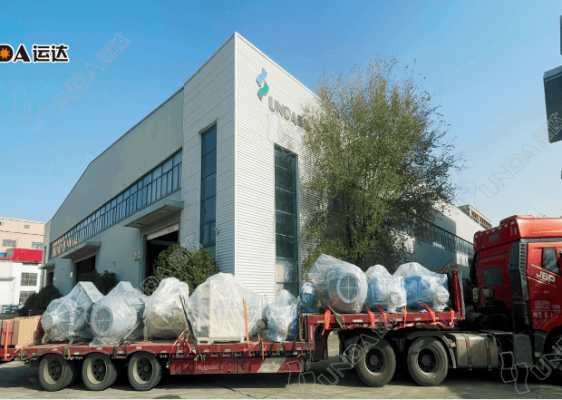 Yunda Successfully Ships the Complete Stock Preparation System for Hengan Group’s Tissue Paper Project
-
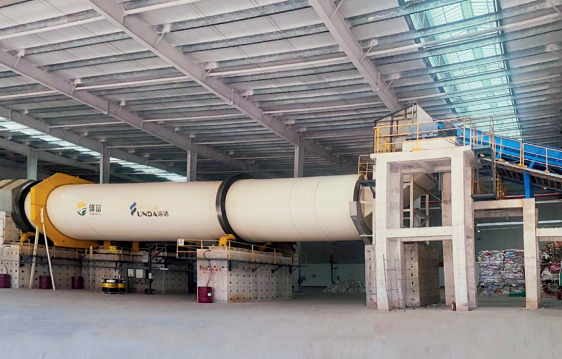 Yunda’s Complete Stock Preparation Systems for Guangxi Xiongfu Paper’s 300,000 t/a Grayboard Paper Project Successfully Start Up
-
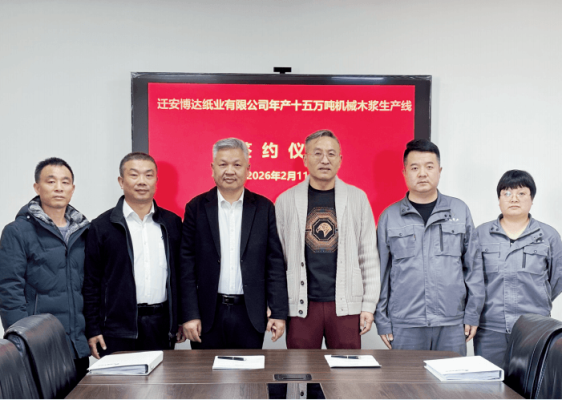 Yunda Wins the Full-Line Pulping Equipment Order for Qian’an Boda’s 150,000-Ton Bleached Chemi-Thermomechanical Pulp (BCTMP) Project
-
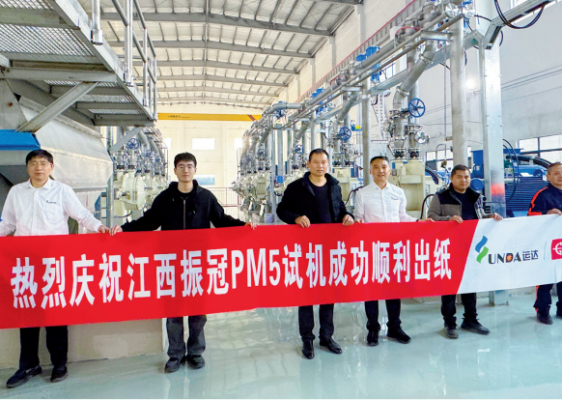 A Great Start! Yunda’s Complete Stock Preparation System Supports Successful First Paper Production on Jiangxi Zhenguan PM5
-
 Yunda Successfully Starts Up Complete Stock Preparation and Approach Flow Systems for Jiangmen Renke Oasis 80,000 TPA Tissue Paper Project
-
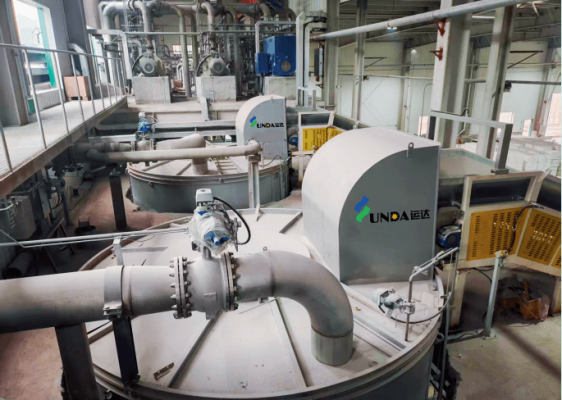 Successful Start-Up of Taisheng Group’s Tissue Paper Project in Guizhou
-
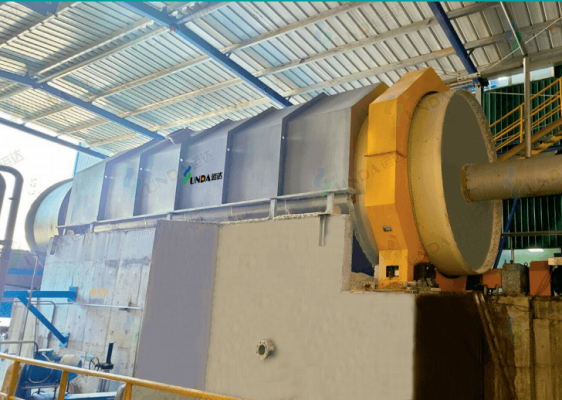 Taisheng Group’s Tissue Paper Project in Jiangxi Successfully Starts Production
-
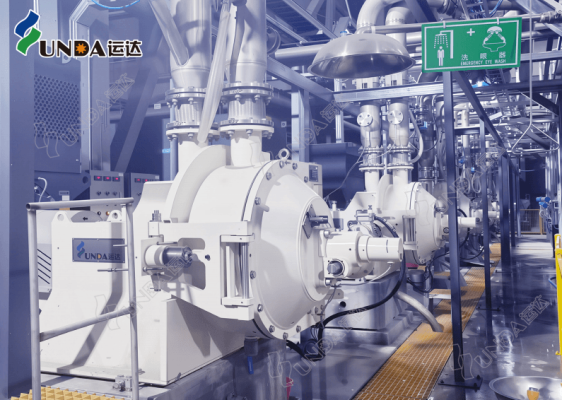 Sun Paper 300,000 TPA Tissue Project (Phase II) – Complete Pulping System Successfully Started Up