
Screening is one of the most critical processes in modern pulp and paper production. Whether processing virgin pulp, recycled fiber, or mechanical pulp, screening systems are responsible for removing contaminants, improving pulp quality, and protecting downstream equipment.
Among the most commonly used screening equipment in stock preparation systems are inflow pressure screens and outflow pressure screens. Although both machines perform the same basic function—separating acceptable fibers from contaminants—their structure, pulp flow direction, and operational characteristics are quite different.
Understanding the differences between these two screening technologies can help paper mills select the most suitable equipment for their production lines.
Overview of Screening Equipment in Pulp Processing
In pulp preparation systems, screening equipment is typically used after pulping and coarse cleaning stages. Its primary purpose is to remove unwanted materials such as:
- Plastics
- Sand and metal particles
- Adhesives and stickies
- Unpulped fiber bundles
- Other contaminants from recycled paper
Efficient screening improves pulp purity, protects refining equipment, and ensures stable paper machine operation.
Two main structural types dominate modern screening systems:
- inflow pressure Screens
- outflow pressure Screens
Each design offers specific advantages depending on pulp type, production capacity, and process requirements.
What Is an inflow pressure Screen?
An inflow pressure screen, sometimes referred to as a centripetal pressure screen, is designed so that the pulp suspension flows from the outside of the screen basket toward the inside.
In this design, the screen basket forms the main separation barrier, while a rotor installed inside the basket generates pressure pulses that keep the slots clean.
Working Principle
The working process can be summarized as follows:
1. Pulp slurry enters the screening chamber and flows around the outer surface of the screen basket.
2. Acceptable fibers pass through the screen slots toward the inside of the basket.
3. Reject materials remain outside the basket.
4. A rotor inside the basket creates pressure fluctuations that prevent slot clogging.
5. Clean pulp exits from the accept outlet.
This design ensures a continuous cleaning action on the screen surface, maintaining stable screening efficiency.
Typical Applications
1. inflow pressure screens are widely used in:
2. Fine screening stages of recycled fiber lines
3. OCC (old corrugated container) processing systems
4. Secondary screening systems
5. Mechanical pulp processing lines
They are especially effective when dealing with pulp that contains a high level of contaminants.
Suitable Pulp Consistency
Typical operating consistency ranges between: 0.6% – 1.5%
Some advanced systems can operate slightly higher depending on rotor design and screen slot size.
What Is an outflow pressure Screen?
An outflow pressure screen, also called a centrifugal pressure screen, operates with the pulp flowing from the inside of the screen basket toward the outside.
In this configuration, the rotor is installed inside the screen basket and generates centrifugal force and pressure pulses that help separate fibers and contaminants.
Working Principle
The operation process typically follows these steps:
1. Pulp slurry enters the interior of the screen basket.
2. Centrifugal force generated by the rotor pushes pulp toward the screen surface.
3. Acceptable fibers pass through the screen slots to the outside chamber.
4. Larger contaminants remain inside the basket.
5. Rejects are discharged through the reject outlet.
The outflow pressure structure allows efficient removal of larger contaminants while maintaining stable pulp throughput.
Typical Applications
outflow pressure screens are commonly used in:
1. Coarse screening systems
2. Primary screening of recycled fiber lines
3. Mechanical pulp screening
4. Screening stages before refining
They are often selected for processes where high throughput and stable fiber separation are required.
Suitable Pulp Consistency
outflow pressure screens usually operate at: 0.8% – 2.0% consistency
This slightly higher consistency capability makes them suitable for earlier stages of pulp processing
Key Differences Between inflow pressure and outflow pressure Screens
Although both screening systems serve the same purpose, their structural and operational differences can significantly influence performance in different production environments.
Pulp Flow Direction
The most obvious difference is the direction of pulp flow.
| Type | Pulp Flow Direction |
| inflow pressure Screen | Outside → Inside |
| outflow pressure Screen | Inside → Outside |
This difference affects rotor configuration, screening efficiency, and maintenance requirements.
Contaminant Handling
inflow pressure screens are generally better at handling sticky contaminants and lightweight impurities, while outflow pressure screens perform well when removing coarser particles and large rejects.
Screening Stability
inflow pressure screens typically offer more stable fine screening performance, especially in systems processing recycled fibers.
outflow pressure screens often provide higher throughput capacity, making them suitable for primary screening stages.
Screen Basket Wear
Because the pulp impacts the screen surface differently in each design, wear patterns may vary.
- inflow pressure screens may experience more uniform wear.
- outflow pressure screens sometimes require stronger basket structures to handle centrifugal forces.
Energy Efficiency and Environmental Performance
Energy efficiency has become a key consideration in modern pulp and paper production.
Advanced pressure screens, whether inward or outflow pressure types, are now designed with features that improve sustainability and reduce operational costs.
Reduced Energy Consumption
Modern rotor designs create efficient pressure pulses while minimizing power consumption. This helps reduce the overall energy demand of the stock preparation system.
Improved Fiber Recovery
High-efficiency screening systems reduce fiber loss in reject streams. This improves fiber utilization and lowers raw material consumption.
Lower Water Usage
Efficient screening reduces the need for excessive dilution water, helping mills reduce water usage and wastewater treatment loads.
Reduced Maintenance Waste
Improved screen baskets and wear-resistant materials extend equipment life, reducing replacement frequency and material waste.
Position of Screens in a Pulping Production Line
Screening systems are typically arranged in several stages throughout the pulp preparation process.
Primary Screening
Primary screens are installed after pulping equipment such as:
- Drum pulpers
- Hydrapulpers
- Fiberizers
Outflow pressure screens are often used in this stage due to their ability to handle higher contaminant loads.
Secondary Screening
Secondary screening improves pulp quality and removes remaining contaminants.
Both inflow pressure and outflow pressure screens can be used depending on system design.
Fine Screening
Fine screening stages are usually located before refining or paper machine approach flow systems.
inflow pressure screens are commonly selected here due to their high precision separation capability.
Advantages of Choosing the Right Screening Equipment
Selecting the appropriate screen type can bring several operational benefits to pulp mills.
Higher Pulp Quality
Effective screening ensures cleaner pulp, reducing defects in the final paper product.
Protection of Downstream Equipment
Removing contaminants early protects refiners, pumps, and paper machine components from damage.
Stable Production Operation
Proper screening reduces unexpected shutdowns and improves overall system stability.
Lower Operating Costs
Energy-efficient screening systems reduce electricity consumption and maintenance costs over time.
Both inflow pressure screens and outflow pressure screens play essential roles in modern pulp screening systems. While their operating principles differ, each design offers unique advantages depending on process requirements.
inflow pressure screens are particularly suitable for fine screening and high-quality fiber separation, while outflow pressure screens are often preferred for primary screening and high-capacity applications.
For pulp and paper mills aiming to improve production efficiency, reduce energy consumption, and maintain stable pulp quality, selecting the right screening equipment is a critical step in optimizing the entire stock preparation process.
Case
-
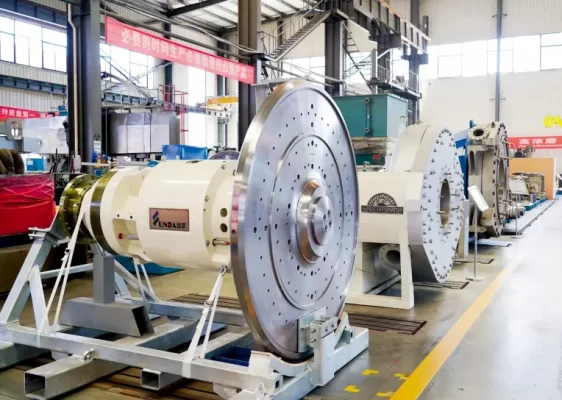 Yunda Supplies High-Consistency Refiner S2070 Drive Assembly to JSC, Belarus
-
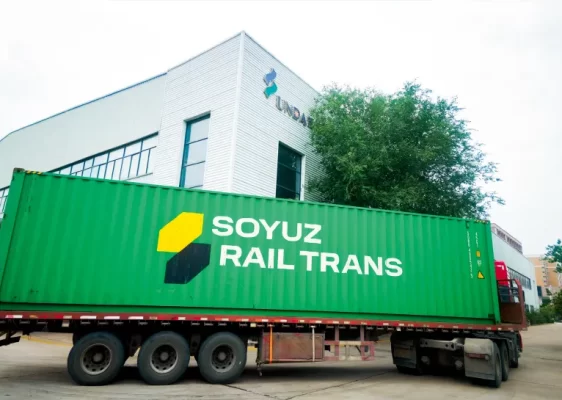 Russia Khargi Packaging Paper Project
-
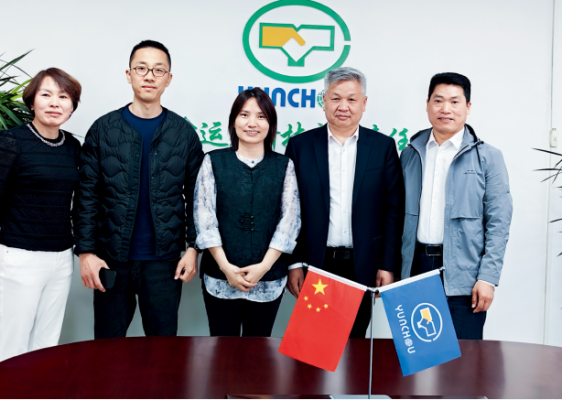 350,000 tpy Linerboard Project in Arkhangelsk, Russia
-
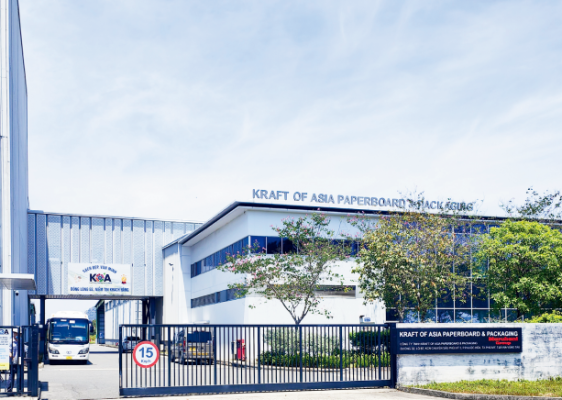 KOA Vietnam 6600/1100 Packaging Paper Upgrade Project
-
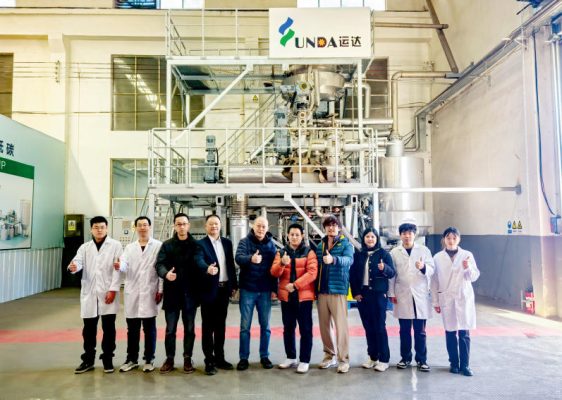 Smooth Shipment of Complete Thermo Mechanical Pulping Equipment for Thailand Precise Molding Project
-
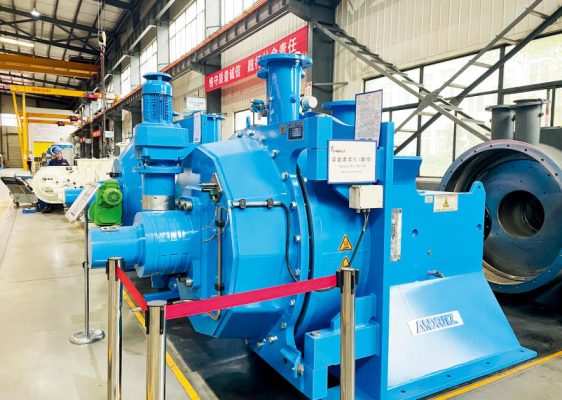 Successful Delivery of the Refiner Repair Project Between Yunda and Guangzhou Paper Group
-
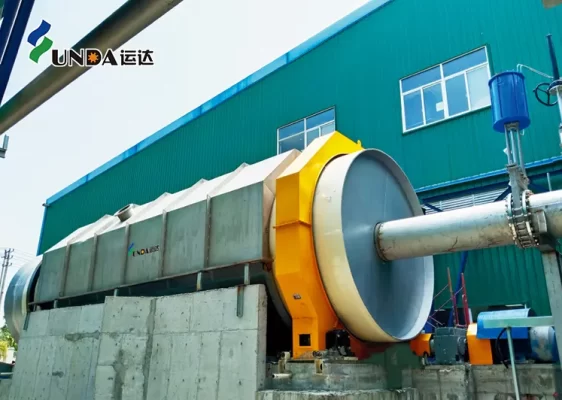 Taison Tissue Paper Project
-
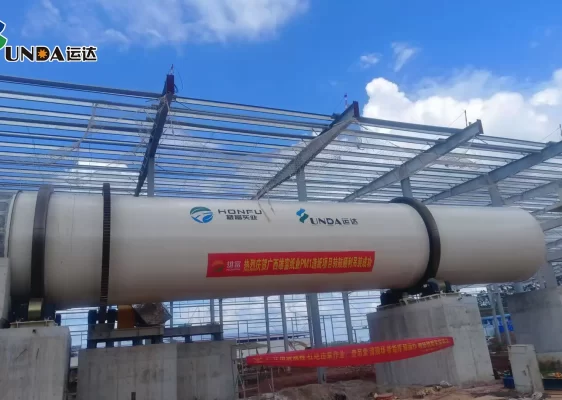 Guangxi Xiongfu Paper Project
-
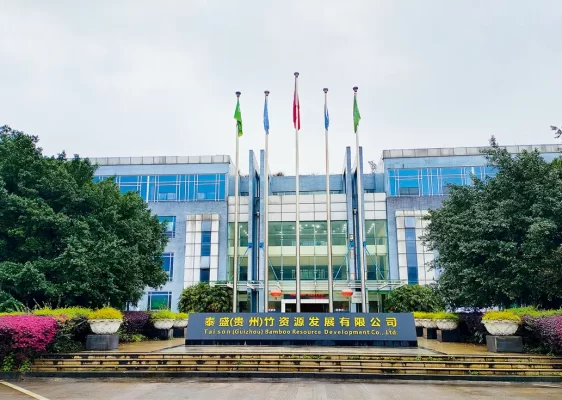 Taison (Guizhou) 160,000 tons tissue paper project
-
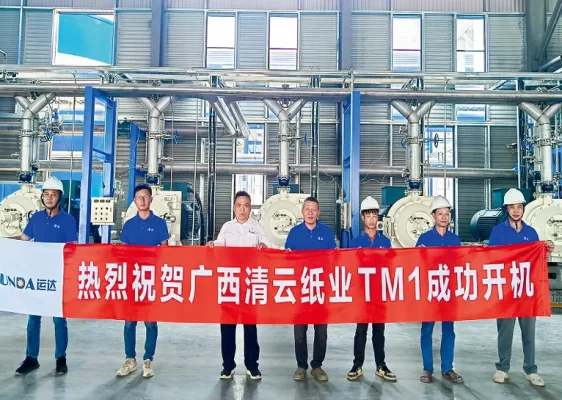 Guangxi Qingyun Tissue Paper project