
The high-frequency fiber deflaker is mainly used to gently loosen and disperse fibers, improving the uniformity and dispersion of the pulp and enhancing its beatability. During subsequent stock approach and sheet forming on the paper machine, this helps effectively prevent cloudiness and coarse spots on the paper surface, reduce surface defects of the finished paper, and improve overall sheet quality.
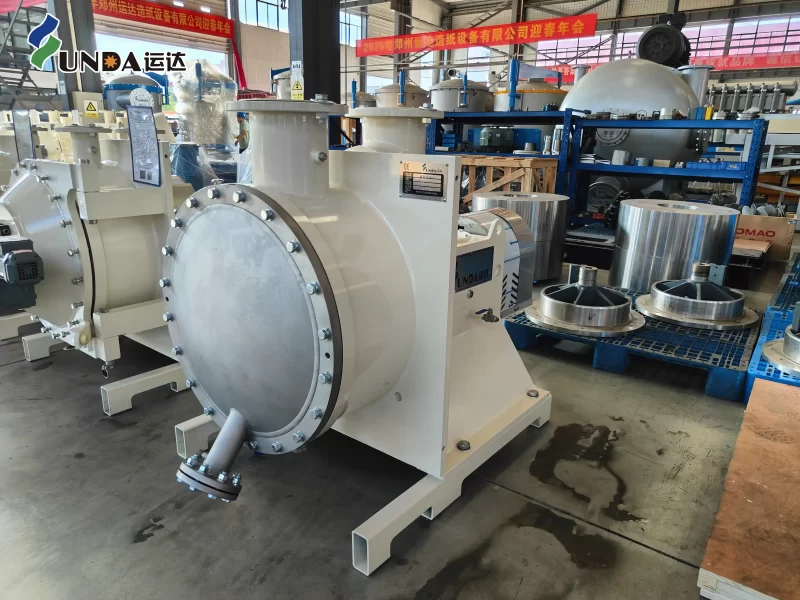
I. Main Functions
1. Fiber bundle dispersion (without cutting fibers)
The high-frequency disperser generates strong shear forces through high-speed rotating disc teeth, loosening and breaking up undistributed fiber bundles, flocs, and coarse particles in the pulp, dispersing them evenly into individual fibers.
✔ No damage to fiber length
✔ No reduction in paper strength
2. Improved pulp uniformity and dispersion
After dispersion, fibers are more evenly distributed and the pulp structure becomes more stable, which benefits the stability of subsequent papermaking operations and the performance of the finished paper.
3. Enhanced pulp beatability
The high-frequency disperser pre-treats the pulp, making it easier to optimize in downstream refiners, thereby improving refining efficiency and reducing energy consumption.
4. Removal or size reduction of shives
Large fiber flocs and coarse contaminants are rapidly dispersed, reducing surface defects in the finished paper and improving sheet quality.
II. Main Applications (Where It Is Used)
The high-frequency disperser is suitable for multiple sections of the pulp and paper process:
1. Washing and cleaning stage (cleaning & dispersion)
Used for preliminary dispersion of chemical pulp and recycled pulp, reducing coarse contaminants and improving the efficiency of subsequent screening.
2. Stock preparation system
Serves as a pre-treatment unit to improve pulp condition, making it easier to achieve the required refining degree.
3. Approach flow system (before the paper machine)
Installed ahead of the paper machine to improve fiber dispersion and prevent “cloudiness” and “coarse spots” on the paper surface.
4. Specialty paper, cultural paper, and tissue paper lines
— Paper grades with high requirements for fiber dispersion
— Paper grades with high surface quality requirements
— Paper grades with strict uniformity requirements
Applicable to:
✔ Wood pulp (hardwood and softwood)
✔ Non-wood pulp (hemp, bamboo, bagasse)
✔ Recycled pulp (OCC, ONP, white ledger, etc.)
III. Typical Results of Using a High-Frequency Disperser
✓ Improved paper quality (uniformity, strength, appearance)
Reduces coarse particles and enhances sheet structural stability.
✓ Stable equipment operation and reduced plugging
Improves pulp flowability and lowers the load on screening equipment.
✓ Lower energy consumption and reduced fiber loss
Dispersed fibers are easier to process, while fiber losses are minimized.
✓ Auxiliary equipment for pulpers and refiners
Often used to replace part of repeated refining, improving overall system efficiency.
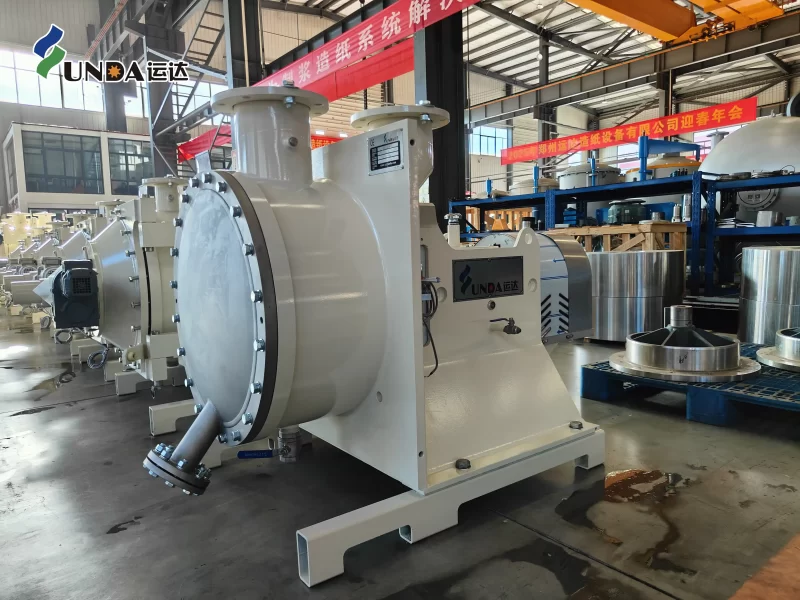
Zhengzhou Yunda Paper Machinery Co., Ltd., since 1981, is a high-tech company. With its broad portfolio of products and services, Yunda sets standards in the Pulp & Paper and Solid Waste Sorting industries. Yunda has approximately 300 employees covering business in more than 40 countries.
we are specialized in stock preparation system and approach flow system in pulp and paper industry. We also provide our customer turn key service for starting a paper factory.
We customize high-frequency deflaker and refiners for our customers. Please contact us for more details and a quotation.
Email:info@yundapm.com
Case
-
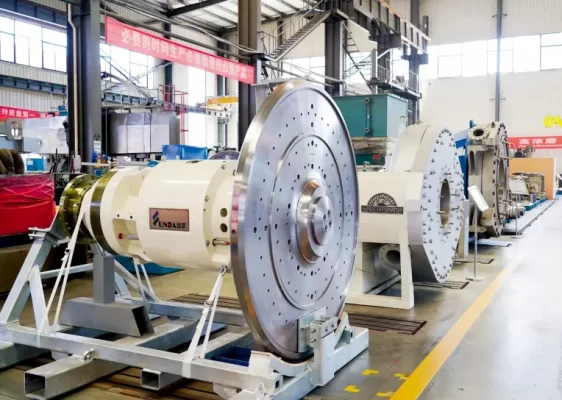 Yunda Supplies High-Consistency Refiner S2070 Drive Assembly to JSC, Belarus
-
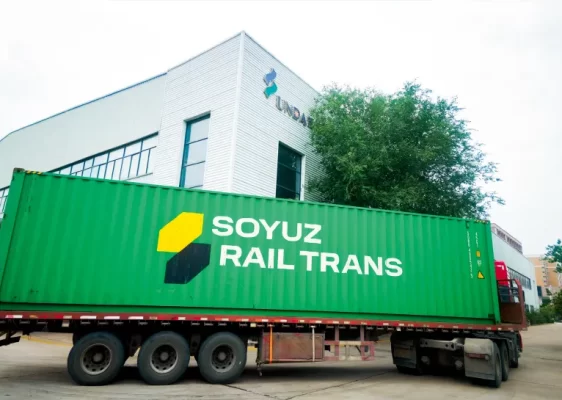 Russia Khargi Packaging Paper Project
-
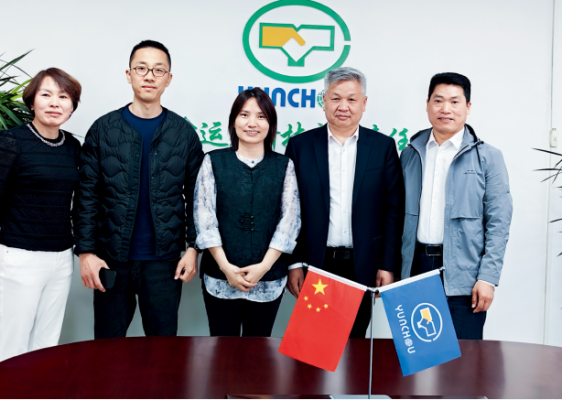 350,000 tpy Linerboard Project in Arkhangelsk, Russia
-
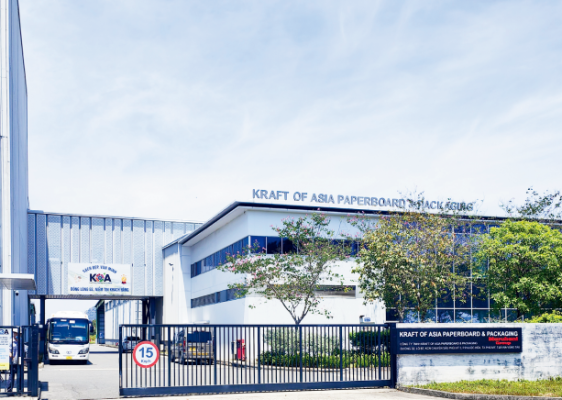 KOA Vietnam 6600/1100 Packaging Paper Upgrade Project
-
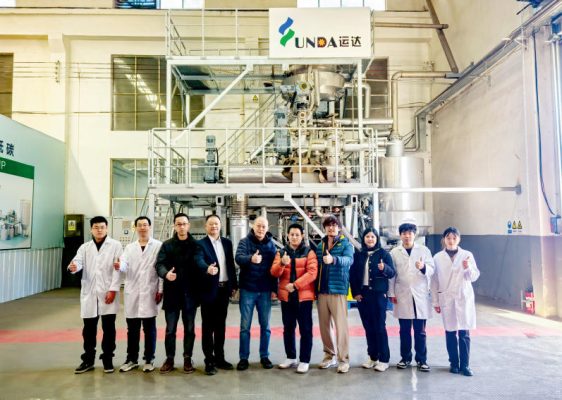 Smooth Shipment of Complete Thermo Mechanical Pulping Equipment for Thailand Precise Molding Project
-
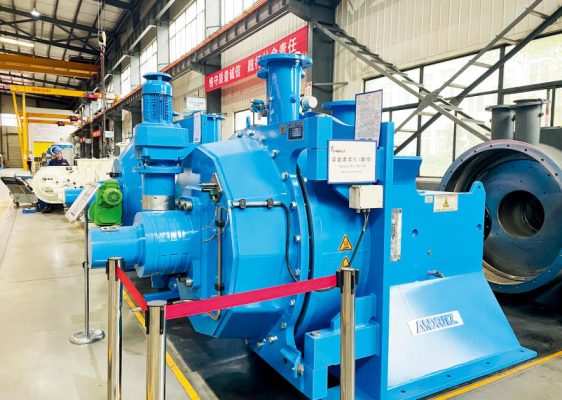 Successful Delivery of the Refiner Repair Project Between Yunda and Guangzhou Paper Group
-
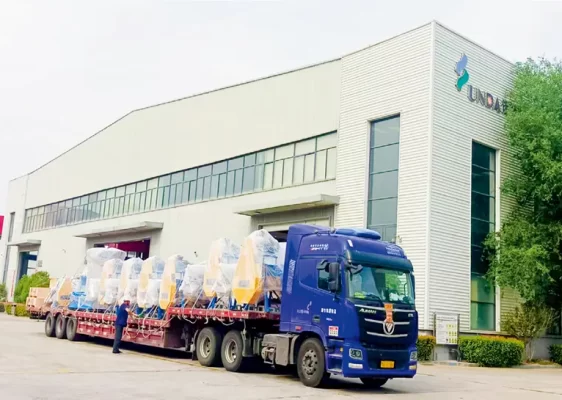 100,000 Tons Per Year Cultural Paper Project in Ethiopia
-
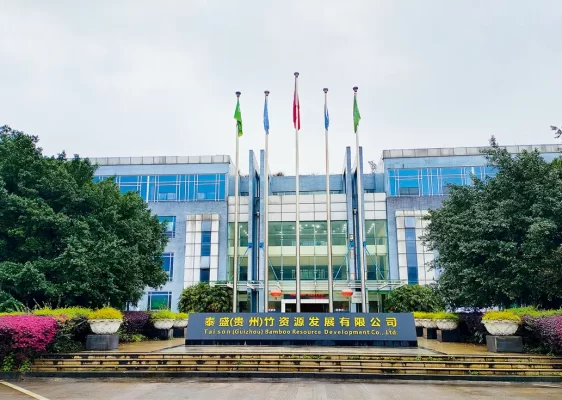 Taison (Guizhou) 160,000 tons tissue paper project
-
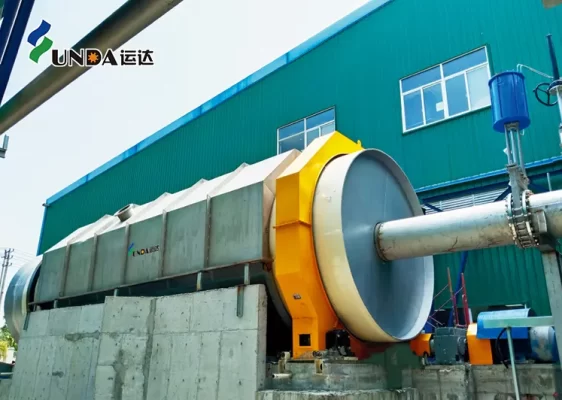 Taison Tissue Paper Project
-
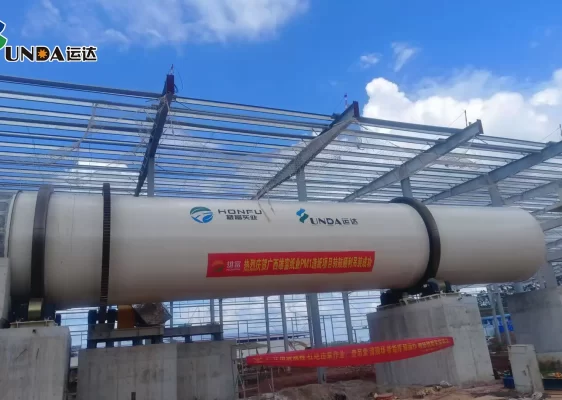 Guangxi Xiongfu Paper Project