
In the modern paper and pulp industry, equipment that can consistently deliver high-quality fiber processing while minimizing energy consumption and operational costs is paramount. Among such innovations, the Low Consistency Refiner, often referred to as a Double disc refiner, Fiber Deflaker, or High-Frequency Deflaker, has gained wide adoption. This machine plays a crucial role in refining pulp at low consistency levels, offering enhanced fiber development and process flexibility. In this article, we provide an in-depth look at what a low consistency refiner is, how it works, its advantages, key technical parameters, and where it is applied.
1. Product Overview: What Is a Low Consistency Refiner?
A Low Consistency Refiner (LC Refiner) is a mechanical device designed to treat pulp suspensions with low solid content — typically in the range of 1% to 5% consistency. Unlike conventional refiners that operate under high consistency conditions (15%–40%), low consistency refiners allow pulp fibers to be processed in a more uniform and controlled environment, reducing energy consumption, improving fiber quality, and enabling enhanced control over refining intensity.
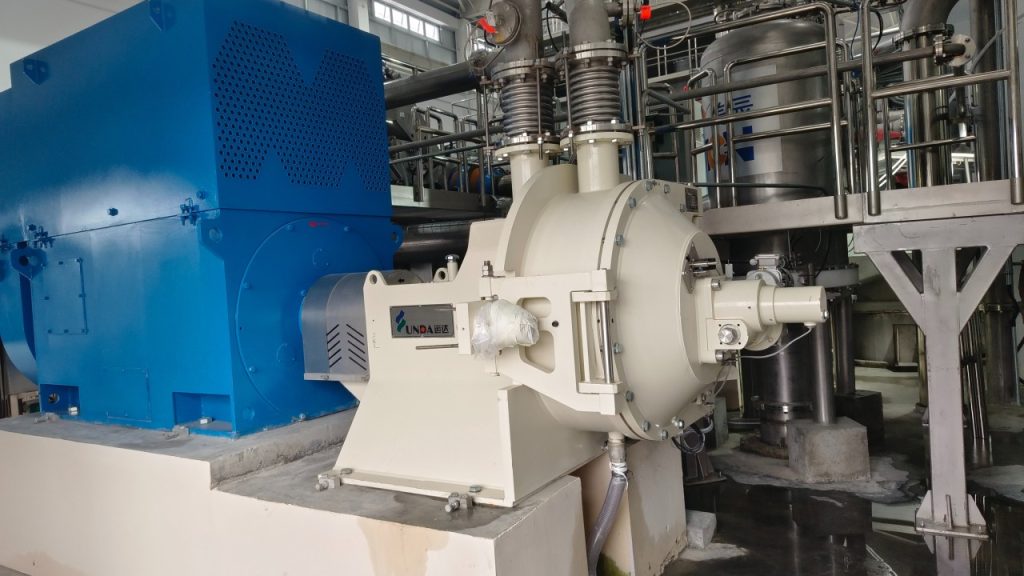
This machine is widely used in paper mills, tissue production lines, and specialty fiber treatments because of its ability to precisely adjust refining conditions. The main components of a low consistency refiner typically include a rotor, stator refining elements, a housing for flow control, load sensors, and a control system that regulates consistency, refining pressure, and motor speed.
2. Technical Principles: How a Low Consistency Refiner Works
2.1 Fiber Mechanics at Low Consistency
The key difference between low and high consistency refining lies in the way pulp fibers interact with the refining elements. In high consistency refining, fibers are densely packed, and mechanical forces are transmitted through fiber-to-fiber contact. This can create uneven refining and excessive fiber cutting.
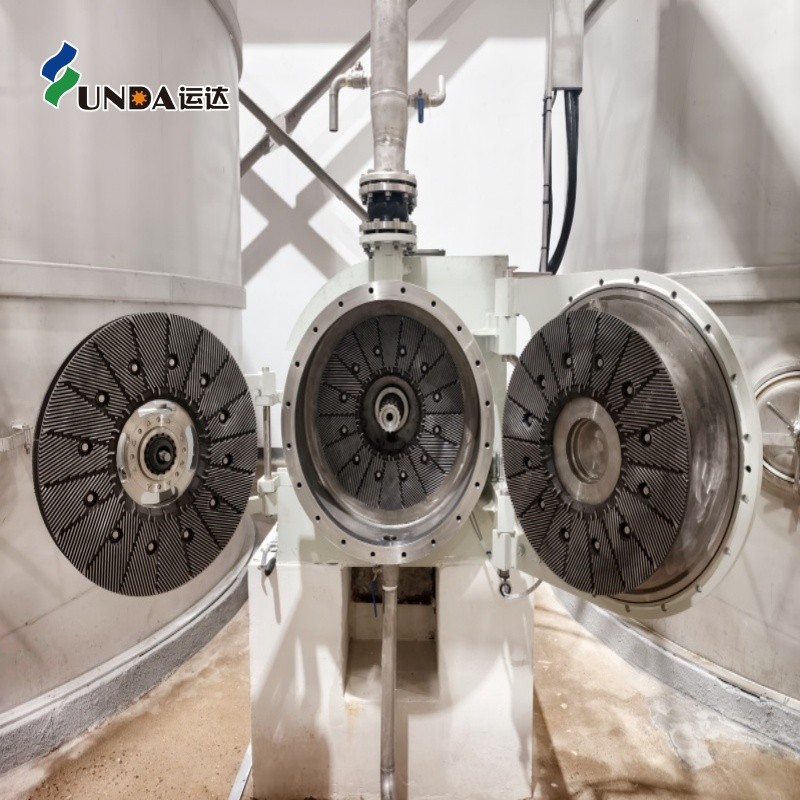
In contrast, low consistency refining disperses fibers uniformly in a water suspension. When they pass through the refining zone — the space between a rotating disc (rotor) and a fixed disc (stator) — each fiber is exposed to controlled mechanical forces. The result is more consistent fibrillation and development with reduced fiber shortening.
2.2 Rotor–Stator Interaction
The rotor rotates at high speed, creating a dynamic refining zone as it interacts with the stationary stator. The gap between these two elements determines the intensity of treatment:
- Narrow gaps produce strong mechanical impact and higher refining intensity.
- Wider gaps allow gentler fiber treatment with less cutting.
The combination of adjustable plate patterns and gap settings enables precise control over fiber development.
2.3 Fluid Dynamics
Since low consistency pulp contains high water content, fluid dynamics play an essential role. The flow path is engineered to ensure uniform fiber distribution, minimize turbulence, and prevent fiber clumping. This careful flow control reduces localized over-refining and helps achieve target properties consistently.
2.4 Automated Process Control
Modern low consistency refiners are equipped with sensors and control systems that monitor variables such as:
- Pulp consistency
- Motor load
- Rotational speed
- Temperature
Automated feedback loops adjust the rotor-stator gap and motor torque in real time, ensuring stable operation and consistent product quality.
3. Functional Advantages of a Low Consistency Refiner
The adoption of a low consistency refiner offers numerous practical and economic benefits to pulp and paper producers.
3.1 Energy Efficiency
One of the most significant advantages is lower specific energy consumption. Because fiber interaction with refining elements is more uniform, less power is wasted on unnecessary fiber cutting. Many mills report energy savings of 10–30% compared to high consistency refining under similar conditions.
3.2 Improved Fiber Quality
Low consistency refining promotes:
- Better fibrillation
- Increased fiber flexibility
- Enhanced bonding potential
These improvements translate to higher paper strength, improved tear resistance, and more uniform sheet formation.
3.3 Enhanced Operational Control
With real-time sensors and feedback control, operators can fine-tune refining intensity based on the target product grade. This flexibility is especially beneficial for mills producing multiple paper grades with different requirements.
3.4 Reduced Maintenance and Wear
Operating at low consistency reduces mechanical stress on refining plates and bearings. This results in longer service life for key components and lower maintenance costs over time.
3.5 Scalability and Integration
Low consistency refiners can be easily integrated into existing production lines, with scalable models available to match production capacities ranging from small pilot plants to large industrial operations.
4. Key Technical Parameters to Consider
When selecting a low consistency refiner, several technical parameters determine performance and suitability.
4.1 Consistency Range
- Typical operating range: 1%–5%
- Some advanced models can handle up to 8%.
Low consistency levels ensure better flow and fiber dispersion.
4.2 Motor Power
- Small models: 30–100 kW
- Medium models: 100–500 kW
- Large industrial units: 500 kW+
The motor power affects the refining capacity and peak refining force.
4.3 Rotor Diameter and Plate Type
Rotor size dictates the surface area available for refining. Plate types (pattern, groove) influence fiber mechanics and are selected based on the target product.
4.4 Throughput Capacity
Measured in tons per day (TPD) or kg/h, throughput depends on motor power, consistency, and refining intensity.
4.5 Refiner Gap and Adjustability
High-precision hydraulic or mechanical actuators allow the rotor–stator gap to be adjusted without stopping the machine. This supports fast adaptation to process changes.
4.6 Control System and Sensors
Advanced refiners may include:
- PLC or DCS integration
- Temperature probes
- Torque sensors
- Consistency monitors
These enhance automation and reduce operator workload.
5. Common Applications of Low Consistency Refiners
5.1 Paper and Board Production
In graphic paper, packaging board, and specialty paper mills, low consistency refiners are used to:
- Improve sheet strength
- Increase tear and burst properties
- Fine-tune fiber morphology
5.2 Tissue and Towel Manufacturing
For tissue products, refining directly impacts:
- Bulk
- Softness
- Absorbency
Low consistency refining allows tissue mills to balance softness with strength, optimizing product performance.
5.3 Recycled Fiber Processing
Recycled pulps often contain short fibers and contaminants. Low consistency refining improves fiber activation and removes fines in a controlled manner, enhancing recycled paper quality.
5.4 Specialty Fiber Treatments
Applications such as high-strength specialty papers, nanocellulose production, and engineered fiber composites benefit from precise low consistency refining to tailor fibrillation levels.
5.5 Pilot Plants and R&D
Low consistency refiners are commonly found in research laboratories for pilot testing of new fiber types, refining strategies, and energy-saving process innovations.
6. Installation, Operation, and Maintenance Best Practices
6.1 Foundation and Alignment
Proper foundation and alignment ensure smooth operation. The machine should be anchored on vibration-damping mounts, and piping should be free of stress.
6.2 Controlled Start-Up and Shutdown
Gradual ramping of motor speed and careful monitoring of consistency and temperature prevent fiber shock and mechanical stress.
6.3 Routine Inspection
Check:
- Bearing temperatures
- Seal integrity
- Electrical connections
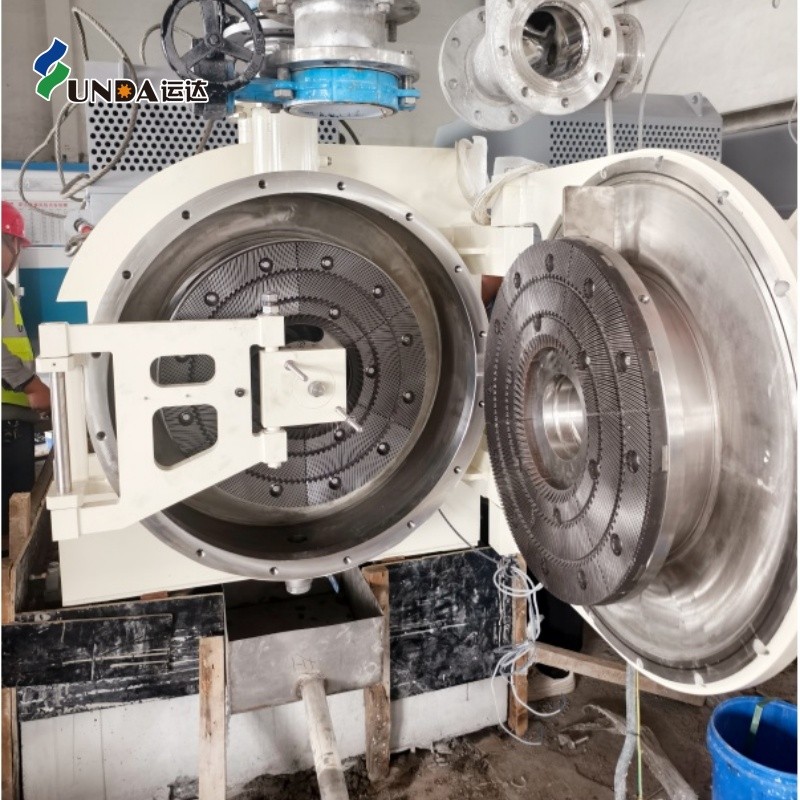
- Refiner plate wear
Routine checks extend service life and prevent unexpected downtime.
7. Choosing the Right Supplier
When selecting a low consistency refiner supplier, consider:
- Experience in refining technology
- After-sales support and spare parts availability
- Capability for customization
- Integration with existing systems
A quality supplier should provide engineering support, installation guidance, and ongoing technical training.
Conclusion
The Low Consistency Refiner is a strategic investment for any modern paper, tissue, or specialty fiber operation. Its capacity to refine at low consistency levels delivers measurable benefits in energy efficiency, fiber quality, and operational flexibility. By understanding its principle, advantages, key specifications, and real-world applications, mills can make informed decisions to enhance production performance.
With the global demand for higher quality paper products and more sustainable processes, low consistency refining stands out as a technology that aligns performance with cost efficiency. Whether you are running a large scale industrial mill or developing new paper grades in an R&D environment, leveraging low consistency refiners can help you achieve better product qualities at lower operating costs.
Case
-
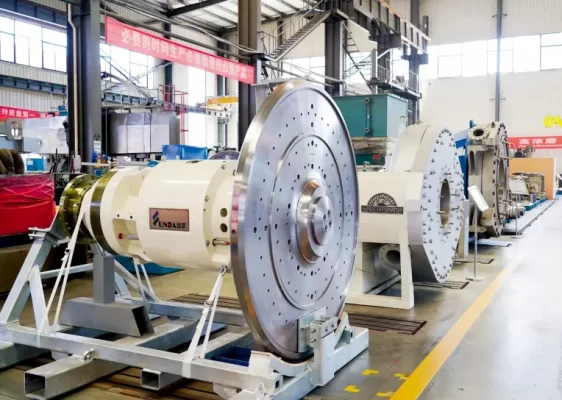 Yunda Supplies High-Consistency Refiner S2070 Drive Assembly to JSC, Belarus
-
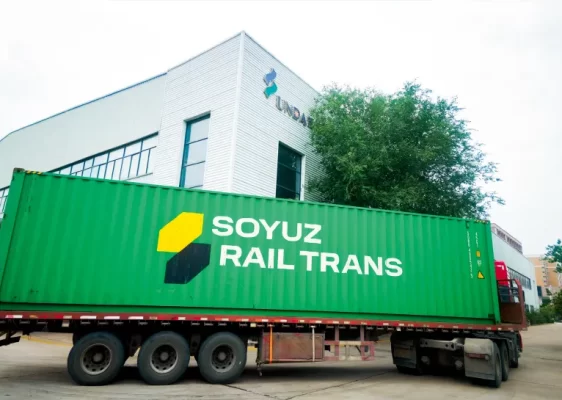 Russia Khargi Packaging Paper Project
-
 350,000 tpy Linerboard Project in Arkhangelsk, Russia
-
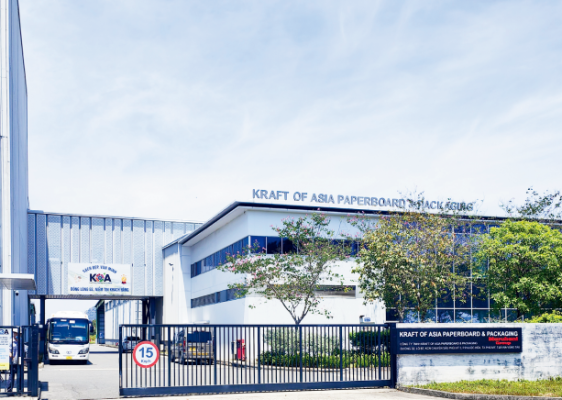 KOA Vietnam 6600/1100 Packaging Paper Upgrade Project
-
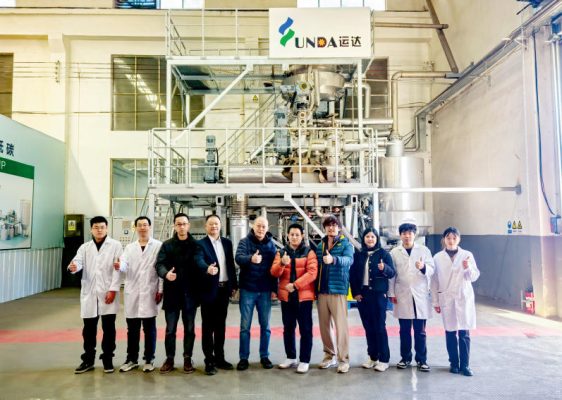 Smooth Shipment of Complete Thermo Mechanical Pulping Equipment for Thailand Precise Molding Project
-
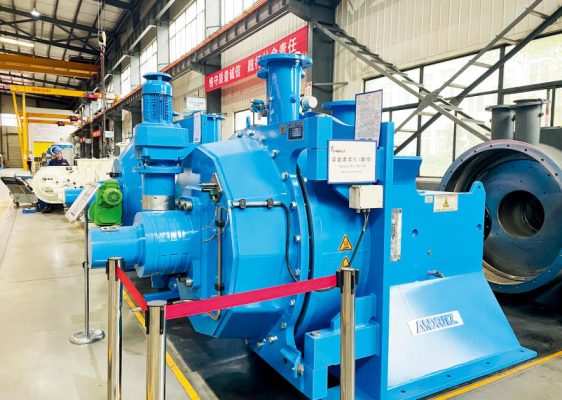 Successful Delivery of the Refiner Repair Project Between Yunda and Guangzhou Paper Group
-
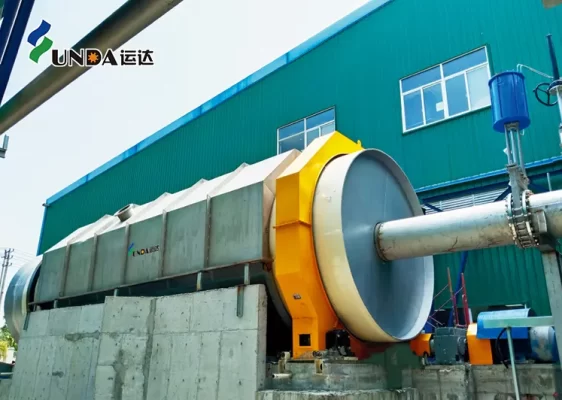 Taison Tissue Paper Project
-
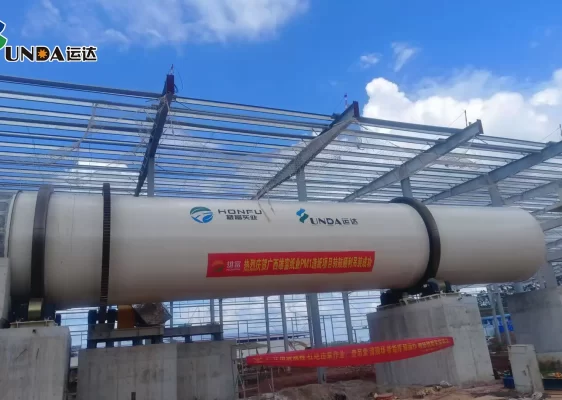 Guangxi Xiongfu Paper Project
-
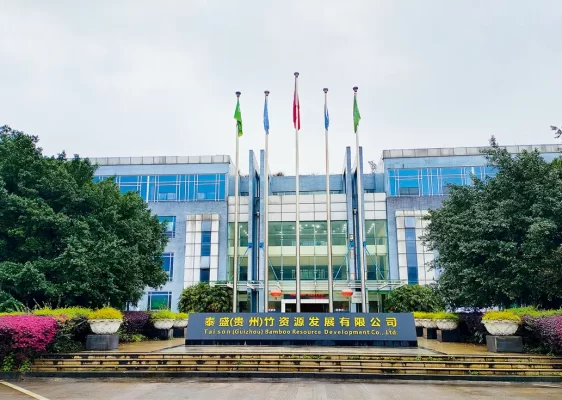 Taison (Guizhou) 160,000 tons tissue paper project
-
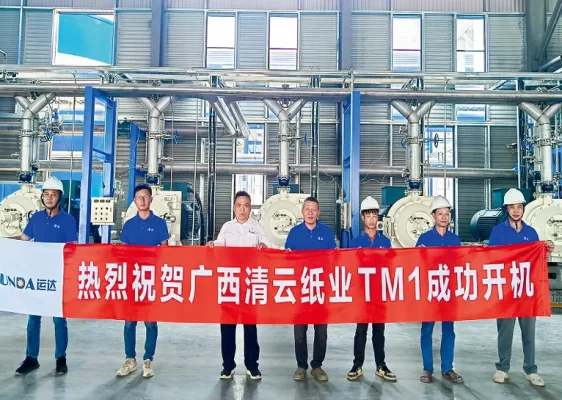 Guangxi Qingyun Tissue Paper project