
Paper Recycling for Paper Mill: Process, Equipment, and Practical Optimization Guide
Meta Description
A practical guide to paper recycling for paper mills. Learn how the recycling process works, what equipment is used, and how to improve pulp quality and production efficiency.
Introduction
In today’s paper industry, recycling is no longer just an environmental choice—it’s a practical necessity. More and more paper mills are relying on recycled fiber to stabilize raw material supply, reduce costs, and meet sustainability requirements.
A well-designed paper recycling system can make a significant difference. It not only reduces environmental impact but also helps mills run more efficiently and consistently. However, achieving stable pulp quality from recovered paper is not always straightforward.
In this article, we’ll walk through how paper recycling works in a paper mill, what equipment is typically involved, and where real improvements can be made based on actual production experience.
What Does Paper Recycling Mean in a Paper Mill?
At its core, paper recycling is about turning recovered paper into usable pulp again.
Instead of relying entirely on virgin fiber, mills use materials like OCC, old newspapers, or office waste and process them back into fiber that can go into new paper production.
Typical raw materials include:
- Old Corrugated Containers (OCC)
- Old Newspapers (ONP)
- Old Magazines (OMG)
- Office waste paper
- Mixed paper
Each of these behaves differently in the system, which is why sorting and process design matter so much.
Why Paper Mills Rely on Recycling
1. It Reduces Dependence on Virgin Fiber
Using recycled paper helps reduce the need for wood pulp, which is becoming more expensive and regulated in many regions.
2. It Lowers Operating Costs
In many cases, recycled fiber is simply cheaper. When the system is well-optimized, mills can reduce:
- Raw material costs
- Waste handling costs
- Energy consumption per ton
3. It Helps Meet Environmental Requirements
Environmental standards are tightening globally. Recycling systems make it easier for mills to comply while also improving their market image.
How the Paper Recycling Process Works
1. Collection and Sorting
Everything starts with raw material quality.
Recovered paper is collected from different sources and sorted by grade. This step is often underestimated, but it has a direct impact on downstream efficiency and final pulp quality.
Poor sorting usually means higher chemical usage and more load on screening and cleaning systems.
2. Slushing and Repulping
This is where the actual fiber recovery begins.
Recovered paper is mixed with water in a pulper and broken down into a fiber suspension. The goal here is simple—but not easy:
- Separate fibers effectively
- Avoid cutting or damaging them
- Keep contaminants as large as possible for easier removal later
High-consistency pulpers are commonly used because they provide strong fiber separation while keeping energy consumption relatively low.
That said, over-pulping is a common issue. Too much mechanical force can break contaminants into smaller pieces, making them harder to remove later.
3. Screening and Cleaning
Once the pulp is formed, the next step is to remove unwanted materials.
Screening
Screens remove larger contaminants like plastics, stickies, and unpulped flakes.
Cleaning
Centrifugal cleaners separate heavy and light particles such as sand, staples, or wax.
A good screening and cleaning setup is critical. If this stage is not effective, problems will show up later in the paper machine.
4. Deinking (When Required)
For printing and writing grades, ink removal becomes essential.
There are two main approaches:
- Flotation (most common)
- Washing
In practice, flotation is widely used because it balances efficiency and cost. However, the chemistry needs to be well controlled. Otherwise, ink can reattach to fibers, reducing brightness.
5. Thickening and Refining
After cleaning, the pulp is adjusted for further processing.
- Thickening removes excess water and stabilizes consistency
- Refining improves fiber bonding and paper strength
This stage is often where mills fine-tune product quality depending on the final paper grade.
6. Papermaking
Finally, the recycled pulp is sent to the paper machine.
From there, it goes through forming, pressing, and drying to become finished paper products such as:
- Packaging paper
- Tissue
- Printing paper
Typical Equipment in a Recycling Line
A standard paper recycling system will usually include:
- Pulper (HC, MC, or LC depending on design)
- Drum pulper (commonly used for OCC lines)
- Pressure screens
- Centrifugal cleaners
- Flotation cells
- Disc filters
- Refiners
In modern mills, these are often connected to automated control systems to maintain stable operation.
Common Challenges in Paper Recycling
Even with a well-designed system, some issues are hard to avoid:
Contaminants
Plastics, hot melts, and stickies are becoming more common in recovered paper.
Fiber Loss and Degradation
Each recycling cycle shortens fibers and reduces strength.
Ink Removal Limitations
Certain inks (like UV inks) are difficult to remove completely.
Energy Use
Some stages—especially pulping and refining—can consume significant energy if not optimized.
Where Real Optimization Happens
From a practical standpoint, optimization is less about theory and more about balance.
Improve Raw Material Control
Better input always means fewer downstream problems.
Avoid Over-Pulping
More time or stronger force doesn’t always mean better results.
Optimize Screening Stages
Multi-stage screening can significantly improve cleanliness.
Use Chemicals Carefully
More chemicals don’t always mean better performance—control is key.
Focus on Energy Efficiency
Small improvements in process flow can reduce long-term operating costs.
Use Data and Automation
Real-time monitoring helps identify problems early and maintain consistency.
Future Trends to Watch
Looking ahead, several trends are shaping paper recycling:
- Smarter systems with automation and data integration
- Improved deinking chemistry for difficult inks
- More closed-loop water and fiber systems
- Stronger focus on reducing total waste
Conclusion
Paper recycling is now a core part of how modern paper mills operate. When done right, it delivers both economic and environmental benefits.
The key is not just having the right equipment, but understanding how each stage of the process interacts with the next. Small adjustments in one area can have a big impact on overall performance.
For mills looking to stay competitive, investing in a well-optimized recycling system is no longer optional—it’s essential.
Case
-
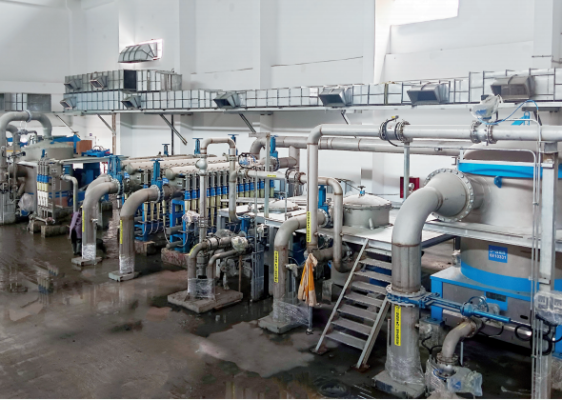 Yunda’s Complete Stock Preparation System for Jinlong’s 6600 mm Packaging Paper Project Enters Commissioning Stage
-
 Yunda Secures Orders for Premium Tissue Paper Projects at Two Yusen Group Production Bases
-
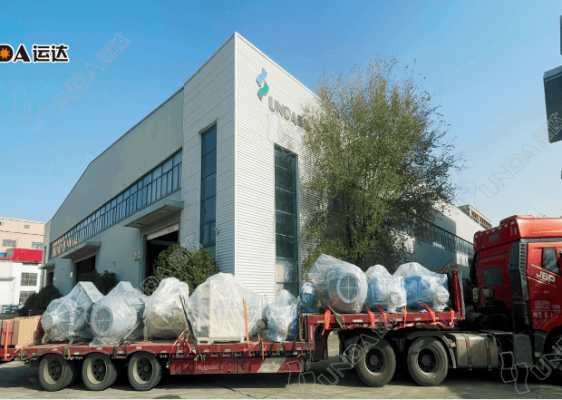 Yunda Successfully Ships the Complete Stock Preparation System for Hengan Group’s Tissue Paper Project
-
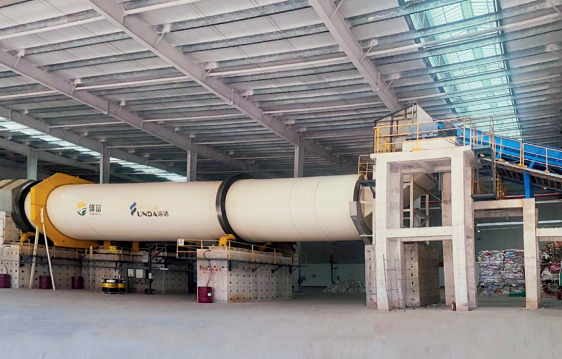 Yunda’s Complete Stock Preparation Systems for Guangxi Xiongfu Paper’s 300,000 t/a Grayboard Paper Project Successfully Start Up
-
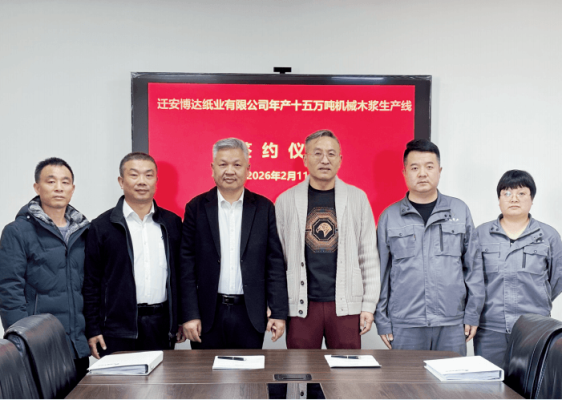 Yunda Wins the Full-Line Pulping Equipment Order for Qian’an Boda’s 150,000-Ton Bleached Chemi-Thermomechanical Pulp (BCTMP) Project
-
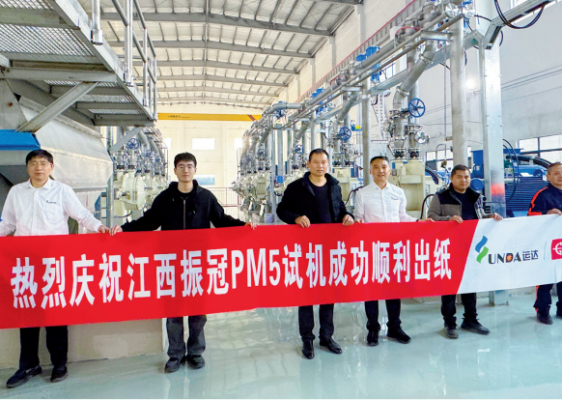 A Great Start! Yunda’s Complete Stock Preparation System Supports Successful First Paper Production on Jiangxi Zhenguan PM5
-
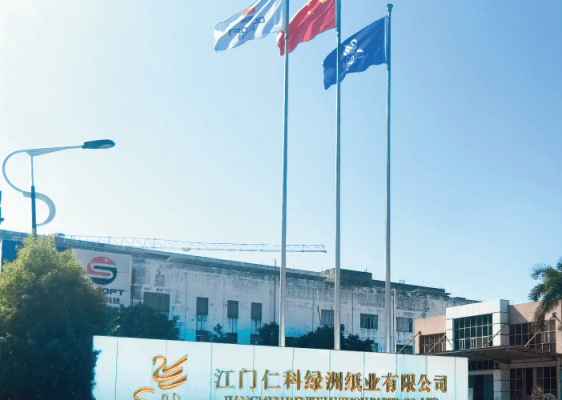 Yunda Successfully Starts Up Complete Stock Preparation and Approach Flow Systems for Jiangmen Renke Oasis 80,000 TPA Tissue Paper Project
-
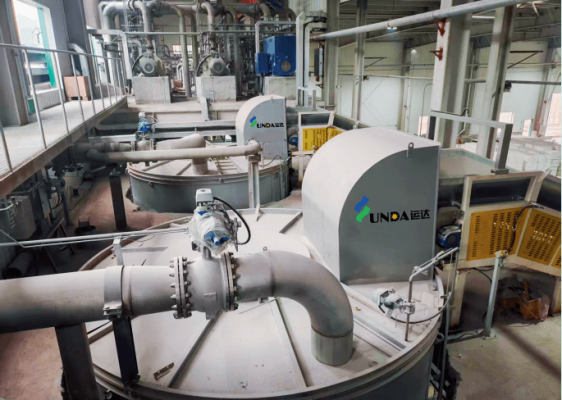 Successful Start-Up of Taisheng Group’s Tissue Paper Project in Guizhou
-
 Taisheng Group’s Tissue Paper Project in Jiangxi Successfully Starts Production
-
 Sun Paper 300,000 TPA Tissue Project (Phase II) – Complete Pulping System Successfully Started Up