
The assessment of the removability of adhesive applications from graphic paper products is in principle adopted to the assessment of the deinkability score. For an assessment method under laboratory conditions not only the screening but also the pulping process has to be defined because it is essential for the fragmentation of the stickies. That is why INGEDE Method 12 was developed. In this method, adhesive applications are pulped together with deinking chemicals and woodfree copy paper, which is free of stickies. Adhesive applications of a complete graphic paper product are evaluated and the relevant parameters are the area and share of the macrosticky particles below 2 000 µm equivalent circle diameter according to INGEDE Method 12. Sticky particles above 2 000 µm are not considered and the sticky area has to be measured by DOMAS or SIMPATIC image analysis system.1 INGEDE Method 12 gives recommendations for the number and length of adhesive spines to be used for pulping with the woodfree copy paper, the handling of side glues and glued-in inserts, the PSA application in printed products as well as PSA applications not already added to a final product.
The assessment itself is published by the EPRC.2 There exists only one upper threshold of 50 % for the share of macrostickies below 2 000 µm (S2000). If this threshold is exceeded, an adhesive application is judged as “insufficiently removable”. For applications with a value below 50 % (S2000) a theoretical macro sticky area (At) after industrial screening is calculated based on mill data. The screening efficiencies for the removal of macrostickies are listed in Table 1. The not considered sticky removal below 600 µm diameter is based on the assumption that in this size class area the removed stickies in industrial screening are compensated by fragmentation of larger sticky particles into smaller ones.
Table 1. Screening efficiencies for calculation of the removability score 2
| Size Class of Macrostickies (equivalent circle diameter) | Removal Efficiency |
|---|---|
| < 600 µm | 0 % |
| 600 µm – 1 000 µm | 20 % |
| 1 000 µm – 2 000 µm | 80 % |
| > 2 000 µm | 100 % |
The theoretical total macro sticky area (At) calculated with the given efficiencies is characterised by a scoring limit of 5 000 mm²/kg paper product. If this scoring limit is exceeded, the adhesive application gets evaluated with zero points but, in contrast to the assessment of the share of the sticky area below 2 000 µm, the products gets no depreciation as “insufficiently removable”. Target values according to Table 2 are given for the share of the macrosticky area below 2 000 µm (TS) and the calculated theoretical total macrosticky area (TA). Results below the target values of 10 % for the share of the macrosticky area below 2 000 µm and 500 mm²/kg product for the calculated theoretical total macrosticky area lead to the full score of 80 points for At and 20 points for S2000 (Table 3). For results between target values and threshold values resp. scoring limits the achieved score is calculated by a linear allocation.
Table 2. Target Values for Calculation of the Removability Score 2
| Parameter | TS % | TA mm²/kg product |
|---|---|---|
| Target Values | ≤ 10 | ≤ 500 |
Table 3. Achievable Scores 2
| Parameter | At Points | S2000 Points | Total Points |
|---|---|---|---|
| Maximum Score | 80 | 20 | 100 |
| Minimum Score | 0 | – 20 | – 20 |
From both criteria the total score is calculated and the final assessment for the removability of an adhesive application is given according to Table 4. Due to the fact that labels very often have to be tested not as a final product application but the label itself, a special procedure is described in the EPRC document to test the screenability of adhesive application on labels.
Table 4. Rating of the Removability Score 2
| Score | Evaluation of Removability |
|---|---|
| 71 to 100 Points | Good |
| 51 to 70 Points | Fair |
| 0 to 50 Points | Tolerable |
| Negative (failed to meet the threshold) | Insufficient |
Figure 1 shows an evaluation performed according to the above described procedure of different print products with back and side glue adhesives. It becomes evident that the products obtain different results. The differentiation between the print products and their applied adhesives allows objective assessment of the removability of the adhesives and to identify room for improvement. The products failed the test in the figure contained either a pressure sensitive adhesive or a dispersion adhesive. Hotmelts typically pass the test.

Figure 1. Removability score of adhesive applications of graphic paper products. 3
From surveys 4 it is known that glued spines are normally not critical for recycling if they are made with hot melt glues. Among those, polyurethane hot melt glues perform even better. Hardly any label products fulfil the recycling criteria. The thin films and the chemical nature of the used dispersion glues provide a big challenge for the recycling process. There is an indication that UV-cured dispersions behave much more recycling benign 5.
It has to be mentioned that the annex of the EPRC document 2 already exempted some types of adhesive applications from testing because there is sufficient experience and confidence that they are delivering good removability results. Applications of non‐water‐soluble or non-redispersible hot melt adhesives are exempted from testing under the following conditions:
1.Softening temperature of the adhesive (according to R&B): 68 °C minimum
2.Layer thickness of the adhesive (non‐reactive adhesive): 120 μm minimum
3.Layer thickness of the adhesive (reactive adhesive): 60 μm minimum
4.Horizontal dimension of the application (in either direction): 1.6 mm minimum.
If an adhesive application is not in conformity with the requirements in the annex, it does not allow any conclusion about its removability behaviour.
Source https://forestbiofacts.com/
Case
-
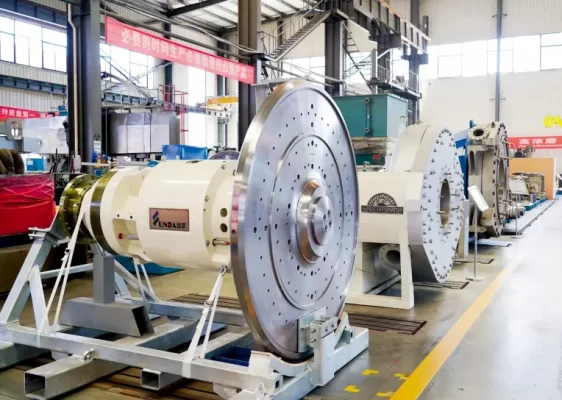 Yunda Supplies High-Consistency Refiner S2070 Drive Assembly to JSC, Belarus
-
 Russia Khargi Packaging Paper Project
-
 350,000 tpy Linerboard Project in Arkhangelsk, Russia
-
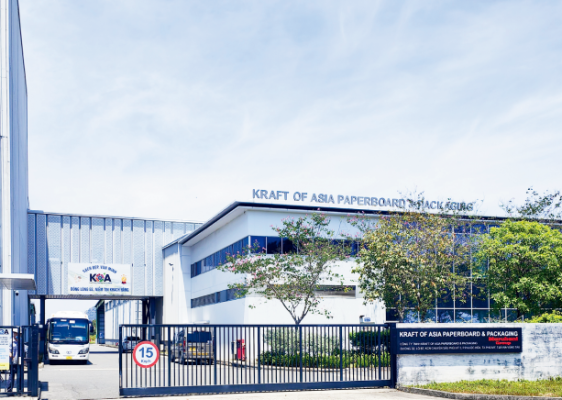 KOA Vietnam 6600/1100 Packaging Paper Upgrade Project
-
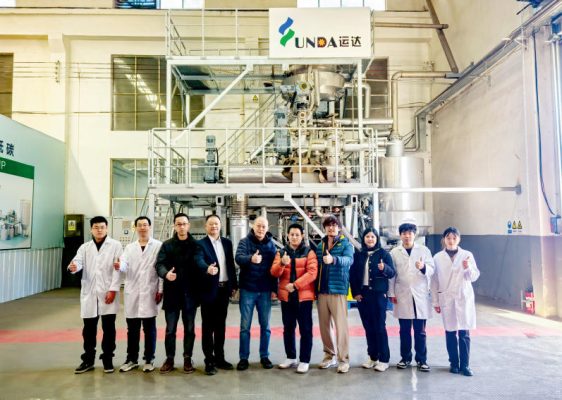 Smooth Shipment of Complete Thermo Mechanical Pulping Equipment for Thailand Precise Molding Project
-
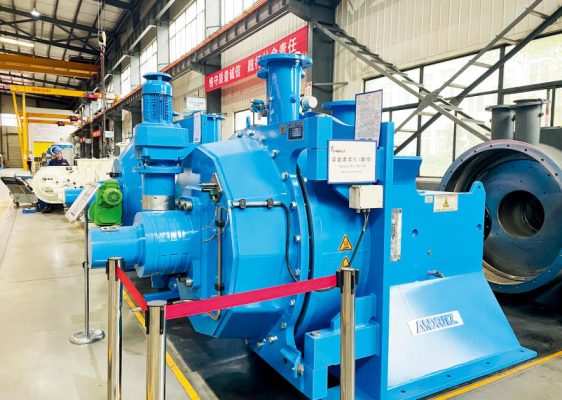 Successful Delivery of the Refiner Repair Project Between Yunda and Guangzhou Paper Group
-
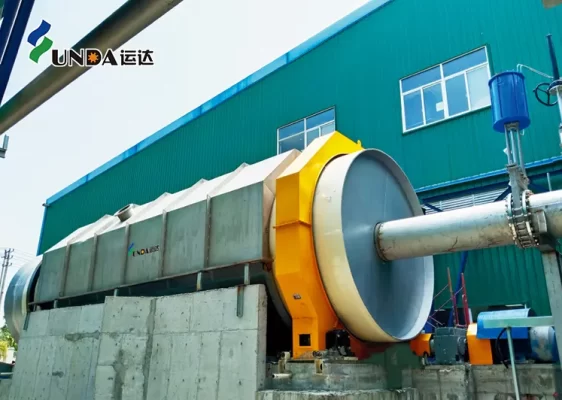 Taison Tissue Paper Project
-
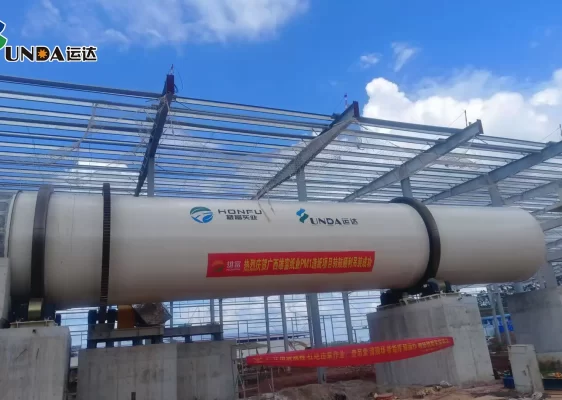 Guangxi Xiongfu Paper Project
-
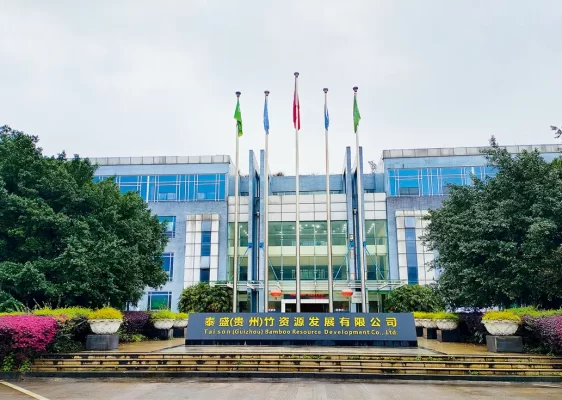 Taison (Guizhou) 160,000 tons tissue paper project
-
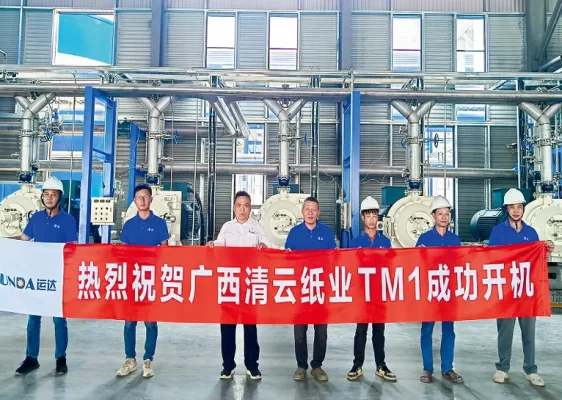 Guangxi Qingyun Tissue Paper project