
What Is a Deflaker?
A deflaker generally refers to a fiber deflaker or a high-frequency deflaker, both of which are key pieces of equipment in the stock preparation system of the pulp and paper industry.
A deflaker is mainly used to loosen and homogenize pulp after cleaning and purification. It breaks up fiber flocs and agglomerates, allowing the fibers to change from a bundled state into uniformly dispersed individual fibers, without cutting the fibers or significantly reducing their strength. As a result, the paper produced on the paper machine becomes more uniform, with fewer coarse spots and surface defects.
What Is a Refiner?
A refiner usually refers to a double-disc refiner, high-consistency refiner, or conical refiner, all of which are core equipment in the stock preparation system of the pulp and paper industry.
The main function of a refiner is to mechanically treat fibers, altering their morphology in order to improve the physical properties of paper. Through mechanical actions such as shearing, compression, and friction, the refiner modifies the fiber structure, enhances fiber bonding ability, and increases paper strength.
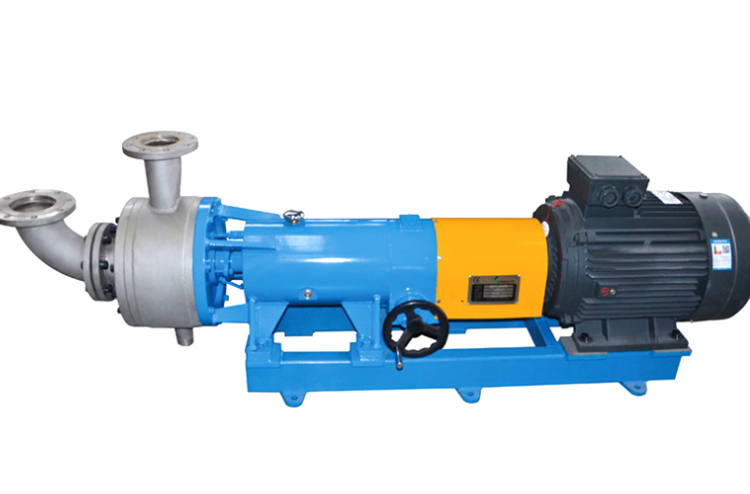
Deflaker vs Refiner – What Problems Do They Mainly Solve?
Deflaker:
During pulping or wastepaper recycling, common problems include fiber bundles and flocs. The pulp is poorly dispersed, with undisintegrated coarse particles, and the stock is unstable before refining.
The function of a deflaker is to break up flocculated fiber bundles, improve pulp dispersion, and disintegrate or reduce coarse particles without cutting the fibers, thereby avoiding the risk of reduced paper strength.
Refiner:
Pulp that has not been refined or is insufficiently refined usually has the following issues: smooth fiber surfaces and weak bonding ability. As a result, the paper shows low strength (tensile and burst strength), a loose sheet structure, and poor formation and retention.
The function of a refiner is to fibrillate and split the outer layers of fibers, enhance fiber bonding, increase tensile and burst strength, strengthen the paper sheet, improve sheet structure, enhance formation, and improve web-forming performance.
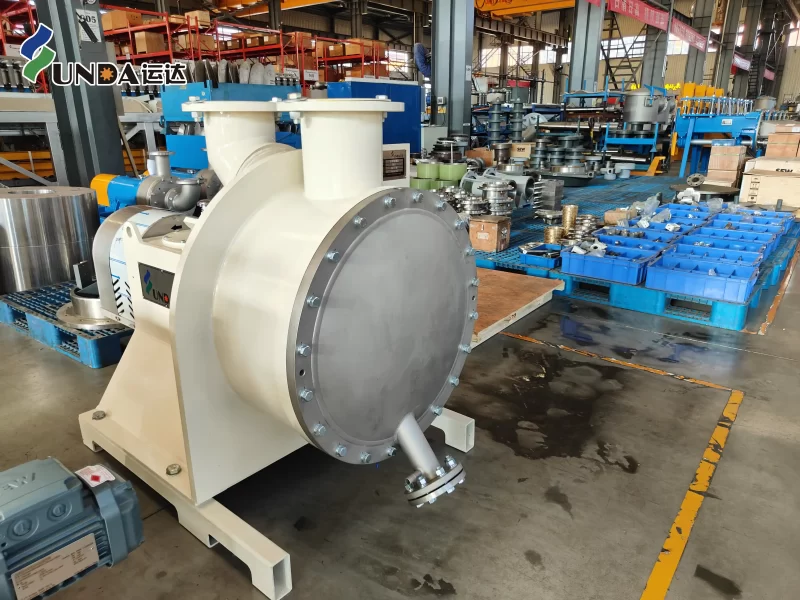
Deflaker vs Refiner – Key Differences
The main differences between a deflaker and a refiner are as follows:
I. Different Core Functions
1. Deflaker — “Separating” the fibers
Main function: Dispersion and deflaking of fiber bundles
Purpose: To disintegrate undispersed fiber bundles and reduce shives, improving pulp uniformity
Does not change fiber length or fineness
“Deflaking, not refining”
It ensures uniform fiber dispersion and prepares the pulp for subsequent refining or papermaking.
2. Refiner — “Processing” the fibers
Main function: Fiber plasticization, swelling, cutting, and fibrillation
Purpose: To improve fiber bonding ability and enhance paper strength and performance
Does change fiber shape, fiber length, and surface structure
“Altering fiber structure to enhance bonding”
II. Differences in Working Principles
Deflaker
• Operates at high frequency
• Larger plate gap
• Mainly relies on high-speed shear forces to disintegrate fiber bundles
• Causes minimal damage to fibers
Refiner
• Operates at lower frequency with high torque
• Smaller plate gap
• Relies on friction to modify fiber structure
• Causes fiber fibrillation, cutting, and outer-layer peeling

III. Differences in Impact on Fibers
| Item | Deflaker | Refiner |
| Fiber length | Essentially unchanged | Shortened |
| Fiber fineness | Unchanged | Increased |
| Fiber flexibility | No significant improvement | Significantly improved |
| Fiber bundles (shives) | Effectively dispersed/disintegrated | Partially treated (not primary purpose) |
| Paper strength | Indirectly improved (via dispersion) | Directly improved |
IV. Differences in Installation Position
Deflaker – typically installed:
✔ After pulping
✔ Before screening
✔ Before refining
✔ In the approach flow system
Functions:
• Removing coarse contaminants
• Improving pulp uniformity
• Enhancing system stability
Refiner – typically installed:
✔ In the main refining section
✔ Final refining before the paper machine
Functions:
• Directly determines paper strength, bulk, absorbency, and other properties
V. Differences in Typical Applications
Deflaker is suitable for:
• Recycled pulp (OCC, ONP) with many shives
• Non-wood pulp with abundant fiber bundles
• Paper grades with high dispersion requirements
• Improving screening efficiency
• Improving refining efficiency
Refiner is suitable for:
• Paper grades with high strength requirements
• Cultural paper, coated paper, tissue paper, and specialty paper
• Various pulping processes requiring fiber property adjustment

VI. One-Sentence Summary
Deflaker: Responsible for dispersing fiber bundles
Refiner: Responsible for processing the fibers themselves
A deflaker cannot replace a refiner, and a refiner cannot replace a deflaker.
Case
-
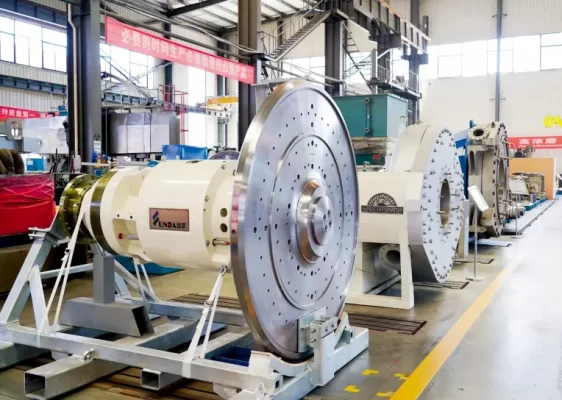 Yunda Supplies High-Consistency Refiner S2070 Drive Assembly to JSC, Belarus
-
 Russia Khargi Packaging Paper Project
-
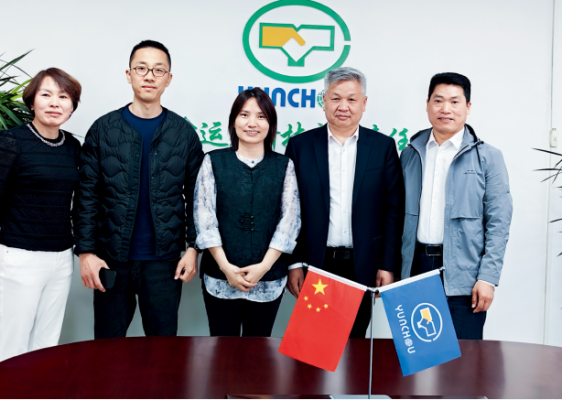 350,000 tpy Linerboard Project in Arkhangelsk, Russia
-
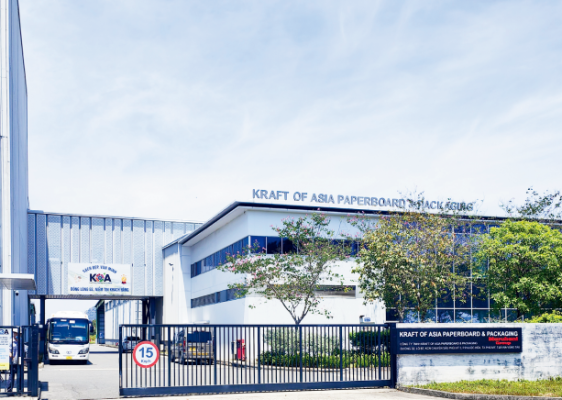 KOA Vietnam 6600/1100 Packaging Paper Upgrade Project
-
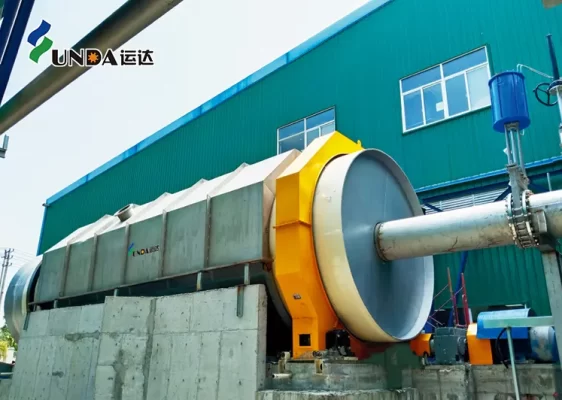 Taison Tissue Paper Project
-
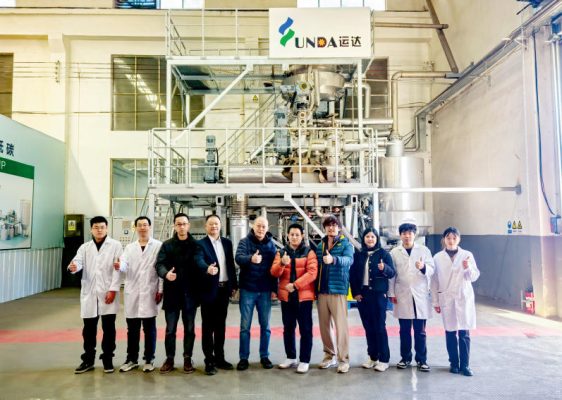 Smooth Shipment of Complete Thermo Mechanical Pulping Equipment for Thailand Precise Molding Project
-
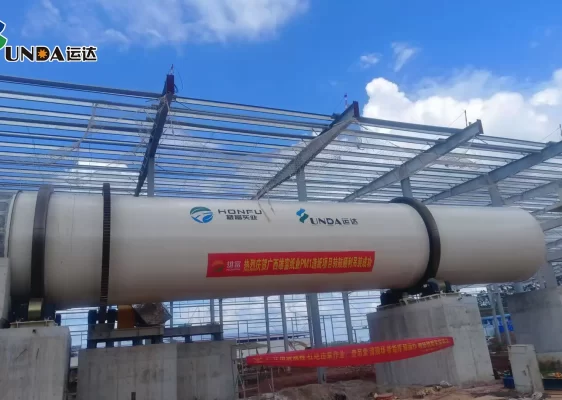 Guangxi Xiongfu Paper Project
-
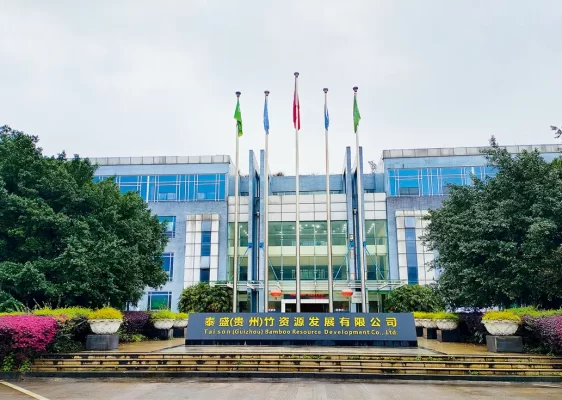 Taison (Guizhou) 160,000 tons tissue paper project
-
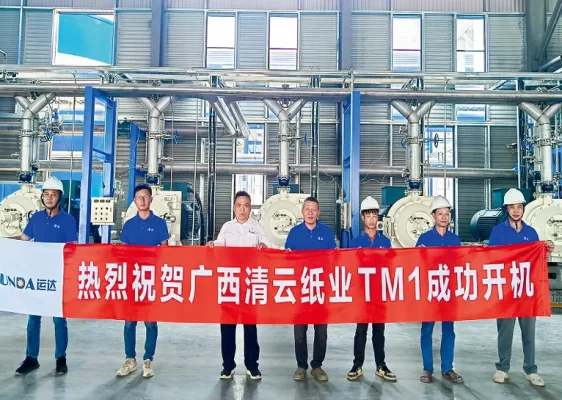 Guangxi Qingyun Tissue Paper project
-
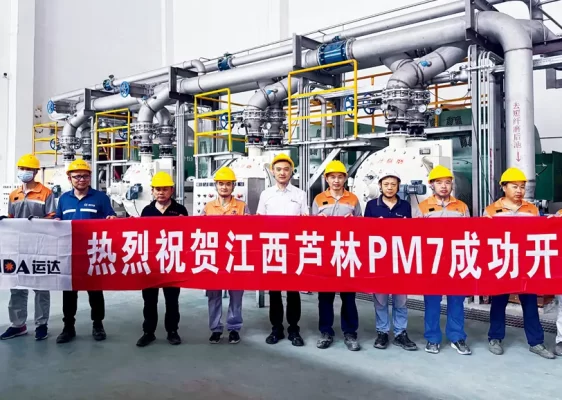 Jiangxi Lulin’s 200,000-ton packaging paper project