
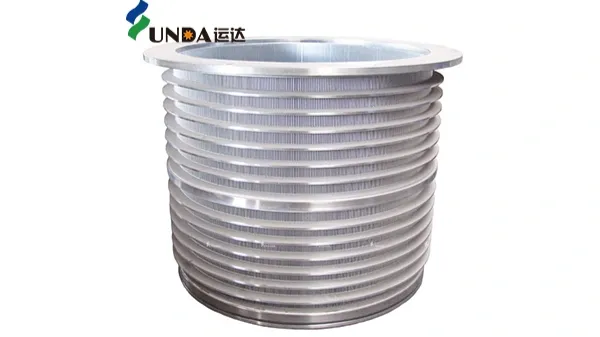
In industrial production, filtration is a critical step for ensuring product quality and protecting downstream equipment. In the pulp and paper industry, screening baskets (also known as screen cylinders or screen drums) are widely used to remove impurities from pulp slurry.
But a common question arises in other industries such as printing ink manufacturing, coatings, and chemicals:
Can pulp screening baskets be used for ink filtration?
The short answer is yes, but with certain limitations and adjustments. In many cases, screening baskets can serve as an effective coarse filtration solution for ink processing systems. This article explains how they work, when they are suitable, and what factors should be considered before using them in ink filtration.
What Is a Pulp Screening Basket?
A screening basket is a precision metal filtration component used in pulp screening equipment. It typically consists of a cylindrical structure made of stainless steel with slots or perforated holes designed to separate solids from liquid.
In pulp and paper processing, screening baskets remove contaminants such as:
- Plastic particles
- Sand and grit
- Fiber bundles
- Undissolved materials
These baskets are installed inside pressure screens or coarse screens, where pulp slurry passes through the slots while unwanted materials are rejected.
The most common materials used for screening baskets include:
- 304 stainless steel
- 316L stainless steel
These materials provide strong corrosion resistance and long service life in demanding industrial environments.
Why Ink Filtration Is Important
Ink production involves complex formulations that include:
- Pigments
- Resins
- Solvents or water
- Additives and dispersants
During manufacturing, contaminants or agglomerated pigment particles can appear. If these impurities are not removed, they may cause:
- Poor printing quality
- Nozzle clogging in printing systems
- Uneven color distribution
- Damage to pumps and valves
For this reason, filtration is a standard step in ink production and transfer systems.
Can Screening Baskets Filter Ink?
From a mechanical perspective, the filtration principle used in pulp screening baskets is similar to many industrial filtration systems.
Both rely on physical separation using a defined opening size. Liquid passes through the openings, while larger particles are retained.
Because of this, screening baskets can indeed be used for ink filtration, particularly in the following situations:
- Pre-filtration during ink production
- Removal of large impurities
- Tank outlet filtration
- Pipeline protection filtration
However, they are usually not intended for very fine filtration, which requires micron-level filter cartridges.
Key Factors to Consider When Using Screening Baskets for Ink
Although screening baskets can be adapted for ink filtration, several technical parameters must be carefully evaluated.
1. Slot Size and Filtration Precision
In pulp screening applications, typical slot sizes range from:
0.10 mm to 0.50 mm (100–500 μm)
Ink filtration requirements, however, may be finer:
- 10 μm – 50 μm for fine filtration
- 50 μm – 100 μm for coarse filtration
This means standard pulp screening baskets may provide coarse filtration rather than precision filtration.
If higher filtration accuracy is required, manufacturers can produce baskets with:
- Smaller wedge wire slots
- Micro-perforated plates
2. Ink Viscosity
Ink is usually much more viscous than pulp slurry.
Typical viscosity ranges include:
| Ink Type | Typical Viscosity |
|---|---|
| Water-based ink | 50 – 500 cps |
| UV ink | 500 – 2000 cps |
| Offset printing ink | 1000+ cps |
Higher viscosity fluids pass through screening slots more slowly and may increase the risk of screen clogging.
In such cases, systems may require:
- Pressure-assisted filtration
- Agitation or circulation
- Larger filtration area
3. Material Compatibility
Ink formulations may contain solvents and chemical additives. Therefore, corrosion resistance is important.
Most screening baskets are made from stainless steel:
- 304 stainless steel – suitable for general industrial use
- 316L stainless steel – better resistance to chemicals and solvents
For ink processing environments, 316L stainless steel is usually recommended.
4. Cleaning and Maintenance
Ink residues can dry or adhere to metal surfaces, making cleaning more challenging than pulp slurry.
To improve maintenance efficiency, screening baskets used in ink filtration may benefit from:
- Electropolished surfaces
- Smooth slot edges
- Removable basket structures
These features make it easier to clean the basket using solvents or high-pressure washing.
Comparison With Common Ink Filtration Equipment
Ink manufacturers typically use several filtration technologies.
| Filtration Type | Typical Precision | Characteristics |
|---|---|---|
| Filter bags | 1 – 200 μm | Simple and widely used |
| Cartridge filters | 0.5 – 100 μm | High precision |
| Vibrating screens | 50 – 500 μm | Good for coarse filtration |
| Metal screen baskets | 50 – 500 μm | Durable and reusable |
Screening baskets fall into the durable metal filtration category, making them suitable for reusable industrial filtration systems.
Advantages of Using Screening Baskets for Ink Filtration
When properly designed, screening baskets can offer several advantages:
Durability
Stainless steel baskets can operate for long periods without replacement.
High mechanical strength
They can withstand pressure and high flow rates.
Reusable design
Unlike disposable filters, metal baskets can be cleaned and reused multiple times.
Low operating cost
Reduced replacement frequency lowers long-term costs.
When Screening Baskets Are the Best Choice
Screening baskets are most suitable in the following scenarios:
- Ink production pre-filtration
- Removal of large particles or agglomerates
- Pipeline protection before pumps
- Bulk material filtration in coating or pigment industries
For ultra-fine filtration before printing equipment, cartridge filters are usually used after the basket stage.
Final Thoughts
While screening baskets are originally designed for the pulp and paper industry, their robust structure and reliable filtration principle allow them to be used in many other industrial processes, including ink and coating filtration.
With the correct slot size, appropriate stainless steel material, and proper cleaning design, screening baskets can serve as an efficient coarse filtration solution in ink production systems.
For manufacturers seeking durable, reusable filtration components, adapting pulp screening basket technology to ink filtration can be both practical and cost-effective.
Case
-
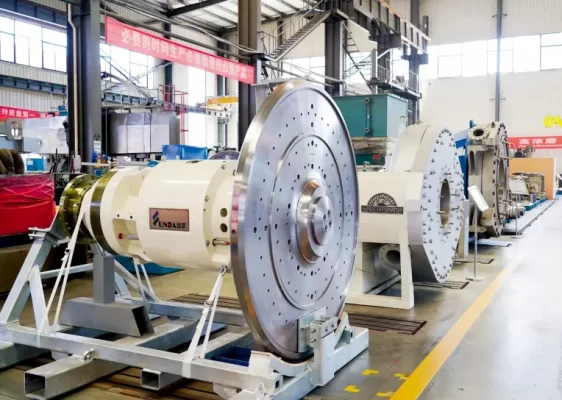 Yunda Supplies High-Consistency Refiner S2070 Drive Assembly to JSC, Belarus
-
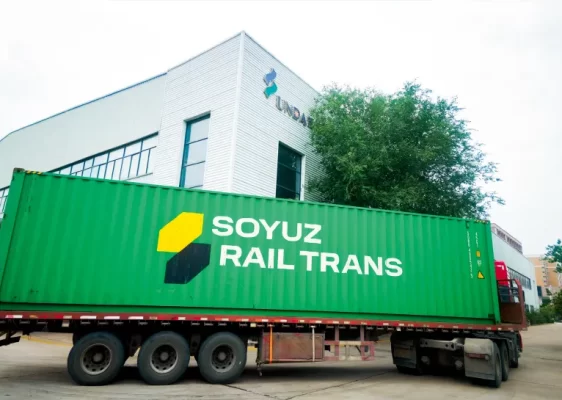 Russia Khargi Packaging Paper Project
-
 350,000 tpy Linerboard Project in Arkhangelsk, Russia
-
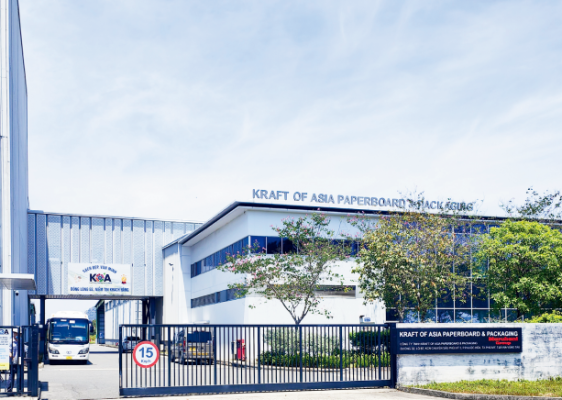 KOA Vietnam 6600/1100 Packaging Paper Upgrade Project
-
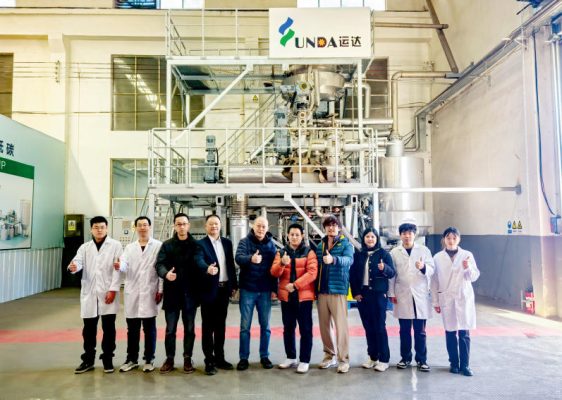 Smooth Shipment of Complete Thermo Mechanical Pulping Equipment for Thailand Precise Molding Project
-
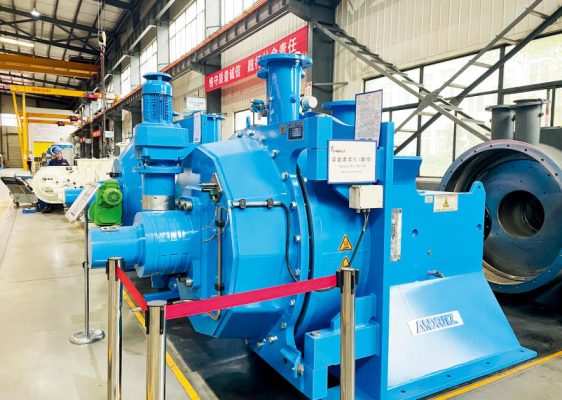 Successful Delivery of the Refiner Repair Project Between Yunda and Guangzhou Paper Group
-
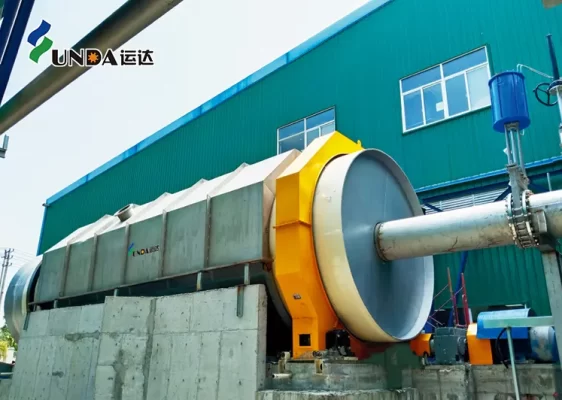 Taison Tissue Paper Project
-
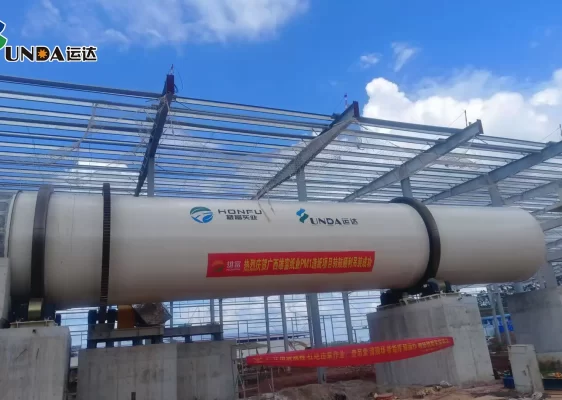 Guangxi Xiongfu Paper Project
-
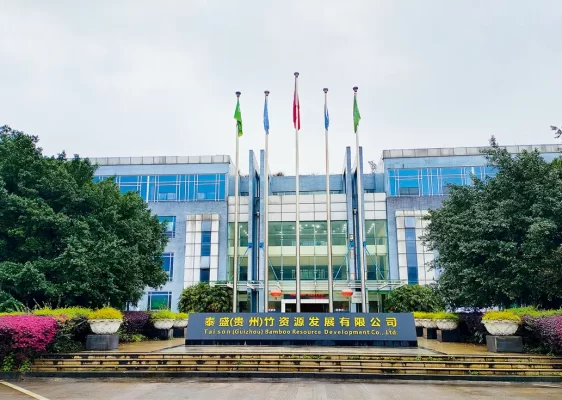 Taison (Guizhou) 160,000 tons tissue paper project
-
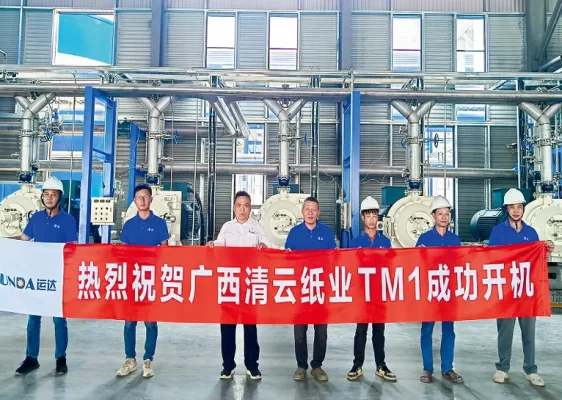 Guangxi Qingyun Tissue Paper project